
When people search for Flame resistant workwear for men near me, they are usually looking for clothing that offers reliable protection in hazardous workplaces. Flame-resistant clothing is designed to reduce burn injuries by resisting ignition and limiting the spread of flames when exposed to heat or fire.
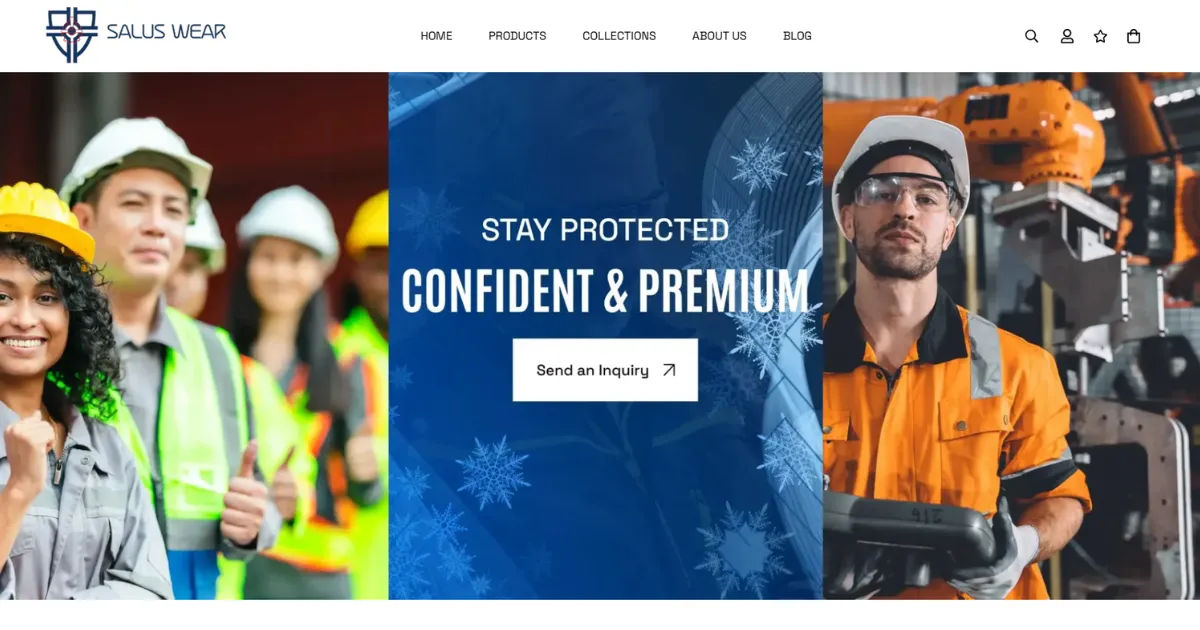
For workers in dangerous environments, wearing the right gear is not just a recommendation—it is often a legal and safety requirement.Many industries expose employees to electrical arcs, flash fires, molten metal, combustible dust, or high temperatures.
In these workplaces, ordinary clothing can catch fire quickly and make injuries much worse. That is why businesses invest in high-quality flame-resistant garments that meet recognized safety standards.
This guide explains which industries require flame-resistant clothing, why it matters, how to choose the right gear, and what features workers should look for before purchasing protective clothing.
Flame-Resistant Workwear
Flame-resistant workwear is specially engineered to protect workers from fire-related hazards. Unlike regular clothing, these garments are made from fabrics that either naturally resist flames or are treated with flame-resistant technology.
Their primary purpose is to:
- Reduce burn injuries
- Self-extinguish after flame exposure
- Minimize clothing ignition
- Provide workers with valuable escape time
- Improve workplace safety
Workers across many industries rely on flame-resistant clothing every day to perform their jobs safely.
Why Flame-Resistant Clothing Matters
Fire hazards exist in more workplaces than many people realize. Electrical faults, chemical reactions, fuel handling, welding sparks, and industrial machinery can all create dangerous situations.
Proper flame-resistant clothing helps by:
- Protecting workers during flash fires
- Reducing severe burn injuries
- Increasing survival chances
- Supporting OSHA and NFPA compliance
- Improving worker confidence
- Reducing workplace accidents
Searching for Flame resistant workwear for men near me often means workers want trusted local suppliers that offer certified protective gear.
Oil and Gas Industry
The oil and gas sector is one of the largest users of flame-resistant clothing.
Workers regularly face hazards including:
- Flash fires
- Explosions
- High-pressure equipment
- Combustible gases
- Petroleum products
Typical workers include:
- Drilling crews
- Refinery operators
- Pipeline technicians
- Maintenance personnel
- Field engineers
Even a small spark can ignite flammable vapors. Flame-resistant clothing helps minimize injury during unexpected incidents.
Electrical Industry
Electricians work around energized systems every day.
Major hazards include:
- Arc flash
- Arc blast
- Electrical explosions
- High-voltage equipment
Electrical workers needing protection include:
- Industrial electricians
- Utility workers
- Maintenance electricians
- Power plant employees
- Electrical contractors
Many employers require certified flame-resistant clothing because electrical arcs can reach temperatures hotter than the surface of the sun for a brief moment.
Utility Companies
Utility workers maintain critical infrastructure in all weather conditions.
Their daily tasks include:
- Repairing power lines
- Installing transformers
- Working on substations
- Emergency restoration
- Storm recovery
These workers often wear flame-resistant uniforms throughout their shifts because unexpected electrical hazards can occur at any time.
Manufacturing Plants
Manufacturing facilities often contain equipment capable of generating intense heat.
Examples include:
- Furnaces
- Industrial ovens
- Welding stations
- Metal cutting machines
- Heat treatment equipment
Employees working around these hazards benefit greatly from flame-resistant garments.
Welding Industry
Welding creates constant exposure to:
- Sparks
- Molten metal
- Heat
- Flames
- Flying debris
Welders commonly wear:
- Flame-resistant jackets
- Flame-resistant shirts
- Protective pants
- Leather gloves
- Protective sleeves
These garments prevent sparks from igniting clothing.
Construction Industry
Construction workers may encounter numerous fire hazards during projects.
Examples include:
- Torch cutting
- Welding
- Electrical installations
- Gas-powered equipment
- Temporary electrical systems
Many construction companies require flame-resistant clothing for specialized crews working in high-risk environments.
Mining Industry
Mining operations involve dangerous conditions both above and below ground.
Hazards include:
- Methane gas
- Explosive dust
- Heavy equipment
- Electrical systems
- Underground fires
Proper protective clothing plays a significant role in improving worker safety.
Chemical Manufacturing
Chemical facilities often handle flammable substances.
Workers may encounter:
- Volatile chemicals
- Combustible liquids
- Explosive vapors
- Chemical processing equipment
Flame-resistant clothing provides valuable protection during accidental ignition events.
Steel Industry
Steel production exposes workers to extreme temperatures.
Employees commonly work near:
- Molten steel
- Blast furnaces
- Rolling mills
- Heat treatment operations
Protective clothing helps reduce burns caused by radiant heat and accidental flame exposure.
Metal Fabrication
Metal fabrication shops frequently perform:
- Grinding
- Welding
- Cutting
- Brazing
- Torch operations
These activities generate sparks capable of igniting regular clothing.
Flame-resistant workwear helps workers stay protected throughout the workday.
Transportation Industry
Some transportation jobs require flame-resistant clothing.
These include workers involved in:
- Fuel transport
- Aircraft maintenance
- Rail maintenance
- Tanker operations
- Heavy equipment repair
Fuel handling significantly increases fire risks.
Aviation Industry
Aircraft maintenance crews work around:
- Aviation fuel
- Electrical systems
- Hydraulic equipment
- Welding repairs
Many aviation employers require certified protective clothing for maintenance staff.
Fire Departments
Firefighters naturally depend on advanced flame-resistant gear.
Although structural firefighting equipment differs from industrial FR clothing, both are designed to reduce heat exposure and burn injuries.
Fire department personnel include:
- Firefighters
- Rescue teams
- Emergency responders
- Wildland fire crews
Emergency Response Teams
Industrial emergency response personnel often enter hazardous areas during accidents.
Their duties may involve:
- Fire suppression
- Chemical incidents
- Rescue operations
- Hazard control
Flame-resistant clothing provides an important layer of protection.
Railroad Industry
Railroad maintenance employees frequently perform:
- Welding
- Track repairs
- Electrical maintenance
- Fuel handling
Flame-resistant uniforms help reduce injuries when unexpected incidents occur.
Renewable Energy Industry
Renewable energy may sound safer, but workers still encounter fire hazards.
Industries include:
- Wind farms
- Solar installations
- Battery storage facilities
- Electrical substations
Electrical arc hazards remain a serious concern.
Telecommunications Industry
Tower technicians and communications workers occasionally work around energized electrical systems.
Protective clothing becomes important during:
- Backup generator maintenance
- Electrical installations
- Utility connections
Food Processing Plants
Some food manufacturing facilities use:
- Steam systems
- Industrial boilers
- High-temperature cooking equipment
Maintenance workers often require flame-resistant clothing while servicing these systems.
Paper and Pulp Industry
Paper mills use large machinery and combustible materials.
Potential hazards include:
- Dust explosions
- Steam systems
- Heat processing
- Industrial dryers
Protective clothing helps reduce burn injuries.
Marine Industry
Shipyards perform extensive hot work.
Workers regularly complete:
- Welding
- Metal cutting
- Engine repairs
- Fuel system maintenance
Flame-resistant clothing is essential in these environments.
Military and Defense
Military personnel may require flame-resistant uniforms during:
- Vehicle operations
- Aviation missions
- Combat training
- Equipment maintenance
Specialized protective clothing helps reduce injuries in hazardous situations.
Common Flame Hazards Across Industries
Many workplaces share similar risks.
These include:
- Flash fires
- Arc flashes
- Explosions
- Hot surfaces
- Molten metal
- Fuel ignition
- Combustible dust
- Sparks
Understanding workplace hazards helps employers choose appropriate protective equipment.
Features to Look for in Flame-Resistant Clothing
Quality protective clothing should provide more than basic fire resistance.
Important features include:
- Certified flame-resistant fabric
- Comfortable fit
- Durable construction
- Breathable material
- Moisture-wicking performance
- Reinforced stitching
- Multiple storage pockets
- High visibility options
- Easy maintenance
- Long service life
Comfort encourages workers to wear protective clothing consistently.
Choosing the Right Flame-Resistant Clothing
Before purchasing, consider:
Workplace Hazards
Different jobs require different levels of protection.
Evaluate:
- Heat exposure
- Electrical hazards
- Fire risks
- Chemical exposure
Industry Standards
Look for clothing that meets recognized safety standards appropriate for your workplace.
Employers should verify certification before purchasing uniforms.
Proper Fit
Loose clothing may create additional hazards.
Properly fitted garments improve:
- Mobility
- Comfort
- Safety
- Productivity
Fabric Quality
High-quality materials generally provide:
- Better durability
- Improved comfort
- Longer lifespan
- Reliable protection
Weather Conditions
Workers spend time in different climates.
Choose clothing suitable for:
- Hot summers
- Cold winters
- Rain
- Wind
- Outdoor environments
Layering systems often improve comfort without reducing protection.
Caring for Flame-Resistant Clothing
Proper maintenance extends garment life.
Best practices include:
- Follow manufacturer washing instructions.
- Avoid bleach unless approved.
- Replace damaged garments.
- Inspect clothing regularly.
- Store garments in a clean, dry location.
Good maintenance helps preserve protective performance.
Benefits for Employers
Employers benefit from flame-resistant clothing through:
- Improved worker safety
- Reduced injury costs
- Better compliance
- Increased employee confidence
- Lower downtime
- Stronger workplace safety culture
Investing in protective clothing often reduces long-term financial losses caused by workplace accidents.
Benefits for Workers
Workers appreciate flame-resistant clothing because it offers:
- Better protection
- Greater confidence
- Improved comfort
- Increased mobility
- Professional appearance
- Peace of mind
Knowing they have reliable protection allows employees to focus on performing their jobs safely.
Where to Find Flame-Resistant Clothing
Many workers begin their search with Flame resistant workwear for men near me because buying locally offers several advantages.
Local suppliers often provide:
- Professional sizing assistance
- Immediate availability
- Product recommendations
- Easier exchanges
- Faster replacement options
Online retailers also offer wide selections, but workers should always verify product certifications and ensure the clothing meets the requirements of their specific industry.
Conclusion
Finding the right Flame resistant workwear for men near me is an important step for anyone working in hazardous environments. Industries such as oil and gas, electrical utilities, manufacturing, construction, mining, welding, transportation, chemical processing, steel production, aviation, and emergency response all rely on flame-resistant clothing to reduce the risk of serious burn injuries.
The best protective clothing combines certified safety, durability, comfort, and proper fit while meeting the specific hazards of the job. Employers benefit from improved compliance and fewer workplace injuries, while workers gain greater confidence and protection during daily tasks. Whether you are replacing worn-out gear or purchasing your first set of protective clothing, choosing quality flame-resistant apparel is an investment in safety, productivity, and long-term peace of mind.