
Modern Pakistani fashion has undergone a remarkable transformation over the past few decades. What was once largely traditional has now embraced contemporary trends, global influences, and personal expression.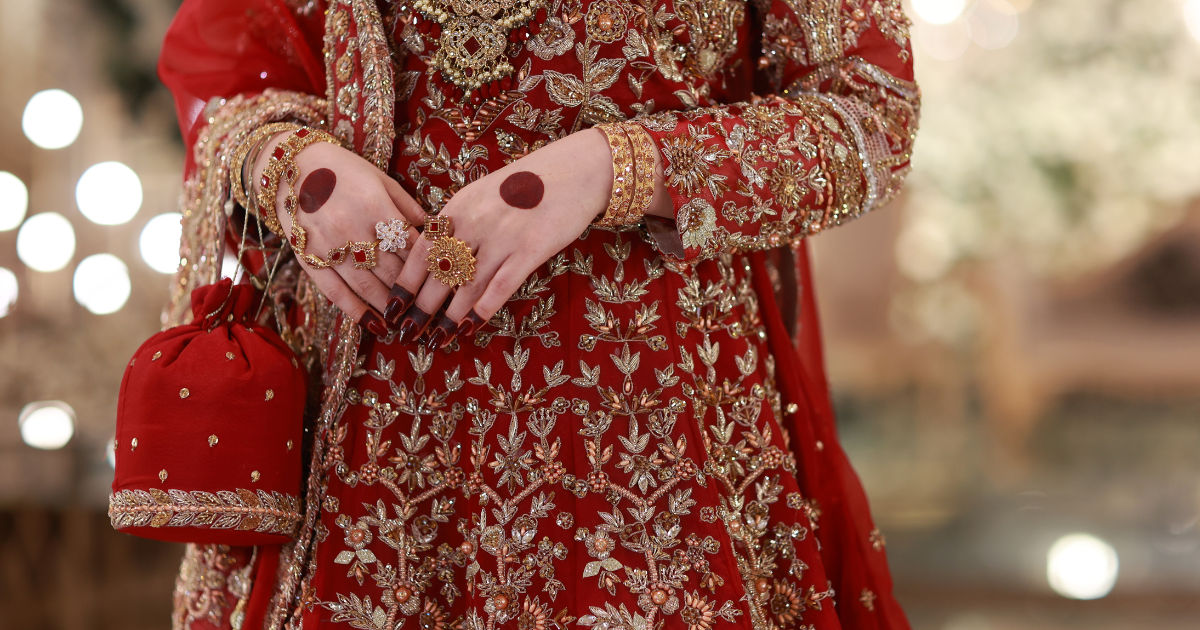
This evolution has made Pakistani fashion not just a reflection of culture, but also of individuality, modernity, and creativity. Nani je, a term that embodies respect for heritage, has influenced designers to fuse classic elements with contemporary styles, creating a fashion landscape that is unique and forward-thinking.
This guide explores the many aspects that define modern Pakistani fashion today, from fusion wear to street style, fabrics to colors, and the role of designers in shaping this dynamic industry.
The Evolution of Pakistani Fashion
Pakistani fashion has a rich history rooted in cultural traditions. Historically, clothing was heavily influenced by regional heritage, religion, and social norms. Outfits like shalwar kameez, gharara, and lehenga choli were designed for comfort and tradition. Over time, urbanization, exposure to global trends, and the rise of media brought a wave of modernization to Pakistani attire.
Nani je has played an essential role in this transformation. Many designers and wearers still value traditional motifs, embroidery, and handcrafts, blending them with modern silhouettes and cuts. This balance of old and new is what makes contemporary Pakistani fashion so distinct.
Fusion Wear: Bridging Tradition and Modernity
One of the most significant trends in modern Pakistani fashion is fusion wear. Fusion wear combines traditional Pakistani clothing with contemporary designs, creating a versatile and stylish look. For example, pairing a traditional embroidered kurta with jeans or styling a lehenga with a crop top has become a common trend among young adults.
Nani je influences this trend by encouraging designers to honor traditional patterns, such as chikankari or mirror work, while experimenting with modern materials like chiffon, organza, and satin. This blend allows wearers to celebrate their heritage while embracing current fashion trends.
Fusion wear is not limited to casual clothing. Even formal and bridal collections often incorporate elements of western design, such as tailored cuts, off-shoulder tops, and asymmetrical hemlines. This innovation makes Pakistani fashion globally relevant while staying true to its roots.
Colors and Prints in Modern Pakistani Fashion
Color plays a vital role in contemporary Pakistani fashion. Traditional clothing often featured deep, earthy tones and vibrant shades, reflecting the local culture. Modern designers have expanded the palette to include pastels, metallics, neons, and monochromatic themes. These colors are now used in combination to create bold, eye-catching outfits suitable for a variety of occasions.
Prints and patterns are also evolving. Modern fashion incorporates abstract prints, digital designs, and minimalistic patterns alongside traditional motifs. Floral, geometric, and fusion-inspired prints have become popular choices, appealing to both younger and older audiences. Nani je ensures that some traditional motifs are preserved, making the designs culturally meaningful.
Contemporary Fabrics and Textures
The choice of fabric can define the modernity of Pakistani clothing. Traditional fabrics such as cotton, silk, and linen are still widely used, but designers now experiment with blends, organza, netting, and sequined materials. These fabrics allow for better draping, comfort, and a more sophisticated look.
Textural diversity adds dimension to outfits. Layering fabrics, incorporating ruffles, and using unconventional materials like PVC accents or metallic threads are examples of how modern Pakistani fashion pushes boundaries. Nani je continues to inspire the use of handwoven and artisanal fabrics, giving a nod to heritage while staying contemporary.
Street Style and Casual Wear
Modern Pakistani fashion is not confined to formal events. Street style has emerged as a significant trend, especially among younger generations. Casual wear includes kurtas paired with pants, tunics with leggings, and even sporty silhouettes inspired by global fashion.
The street style movement emphasizes comfort, individuality, and trend-conscious design. Nani je influences are visible in embroidery, hand-stitched accents, and the careful incorporation of traditional patterns into casual looks. This combination allows fashion enthusiasts to express their culture in a modern, relatable way.
Bridal and Festive Fashion
Bridal and festive fashion in Pakistan has also seen a contemporary shift. Traditional bridal wear included heavy lehengas with intricate embroidery and jewelry. Today, modern brides prefer outfits that are lighter, versatile, and creatively designed. Designers blend traditional embroidery like zardozi and gota with modern cuts, pastel shades, and minimalistic aesthetics.
Festive fashion, including outfits for Eid and weddings, has embraced luxury fabrics, innovative draping techniques, and global trends. Designers often showcase collections that mix traditional elements, like Nani je-inspired patterns, with contemporary silhouettes, making the clothing relevant for both local and international markets.
Influence of Pakistani Designers
Pakistani fashion owes much of its contemporary appeal to talented designers who are redefining style standards. Designers like Hassan Sheheryar Yasin, Sana Safinaz, and Maria B. have become household names, bridging traditional and modern fashion seamlessly.
Nani je-inspired elements, such as heritage embroidery and cultural motifs, often appear in their collections, but the designers also experiment with innovative cuts, textures, and color combinations. Their work has helped Pakistani fashion gain recognition on international platforms and contributed to the country’s growing influence in the global fashion industry.
The Role of Fashion Weeks and Media
Fashion weeks and media exposure have played a crucial role in promoting modern Pakistani fashion. Events like Pakistan Fashion Week, Fashion Pakistan Week, and other local showcases provide a platform for designers to display contemporary designs.
Media, including social media, fashion magazines, and online blogs, have amplified the reach of these designs. Young audiences can now explore and adopt modern fashion trends while still valuing Nani je-inspired heritage elements. Influencers often blend traditional attire with modern trends, making it more relatable and aspirational.
Accessories and Styling
Accessories in modern Pakistani fashion have become as important as the outfits themselves. Jewelry, handbags, footwear, and scarves are designed to complement contemporary attire. Designers are experimenting with oversized earrings, statement necklaces, and mixed-material handbags to add flair to simple outfits.
Nani je continues to inspire traditional jewelry designs, including kundan, jadau, and meenakari work. By pairing these with modern outfits, wearers achieve a perfect balance of heritage and contemporary style. Styling is now about self-expression, allowing individuals to mix patterns, fabrics, and accessories creatively.
Impact of Globalization on Pakistani Fashion
Globalization has accelerated the evolution of Pakistani fashion. Exposure to international fashion trends has encouraged designers to incorporate global aesthetics while staying true to local identity. This cross-cultural influence is evident in the adoption of streetwear, minimalism, avant-garde designs, and global color trends.
Despite this, Nani je remains a grounding force. Designers consciously incorporate traditional embroidery, handwoven fabrics, and culturally significant motifs to maintain a distinct Pakistani identity. This balance ensures that modern fashion does not lose its cultural essence.
Sustainability and Ethical Fashion
Modern Pakistani fashion is increasingly embracing sustainability. Designers and brands are exploring eco-friendly fabrics, ethical production, and slow fashion practices. Handcrafted embroidery, organic cotton, and natural dyes are gaining popularity among conscious consumers.
Nani je has indirectly influenced this movement by highlighting traditional, sustainable practices, like handloom weaving and artisanal craftsmanship. By combining these practices with modern aesthetics, Pakistani fashion is taking steps toward an ethical, contemporary future.
Fashion for Different Body Types
One key aspect of contemporary Pakistani fashion is inclusivity. Designers now focus on creating clothing that caters to different body types, sizes, and personal preferences. Modern silhouettes such as A-line kurtas, cape-style gowns, and layered outfits are designed to flatter diverse shapes.
Nani je continues to influence these designs, ensuring that traditional elegance is maintained even in contemporary cuts. This approach helps fashion feel accessible and empowering for everyone.
Fashion and Pop Culture
Pop culture has played a huge role in shaping modern Pakistani fashion. TV shows, films, and celebrities influence trends and popularize fusion wear, modern embroidery, and contemporary accessories. Many fashion choices reflect the styles of popular stars, blending traditional Nani je-inspired designs with modern aesthetics.
Music videos, social media reels, and fashion blogs have also increased awareness of new trends, allowing people to experiment with outfits that balance modernity and cultural roots.
Online Shopping and Digital Influence
The rise of e-commerce has revolutionized Pakistani fashion. Online platforms provide access to a wide range of contemporary clothing, from casual wear to bridal collections. Consumers can explore different designers, compare styles, and shop conveniently from home.
Digital influence has also shaped consumer preferences. Social media campaigns, virtual fashion shows, and online style tutorials educate people about how to incorporate Nani je elements into modern wardrobes. This digital integration has made contemporary fashion more accessible and trend-driven.
Conclusion
Modern Pakistani fashion is a dynamic blend of tradition, innovation, and personal expression. The influence of Nani je ensures that heritage continues to inspire contemporary designs, while global trends, street style, and technological advancements propel the industry forward. Fusion wear, bold colors, innovative fabrics, and inclusive styling have redefined what it means to dress stylishly in Pakistan today.
Contemporary Pakistani fashion reflects a society that values its roots while embracing change. It balances elegance, comfort, and creativity, offering options for formal occasions, casual wear, and bridal events. Designers, media, and digital platforms have all contributed to this vibrant evolution.
Ultimately, modern Pakistani fashion is more than just clothing—it is a statement of identity, culture, and creativity. By blending tradition with innovation, designers and consumers alike are shaping a fashion landscape that is timeless, contemporary, and uniquely Pakistani.