
When it comes to building or renovating a home, understanding house wiring basics is essential. The electrical system of a house is like its circulatory system, carrying energy to every corner safely and efficiently. One mistake in wiring can lead to shocks, fires, or damaged appliances.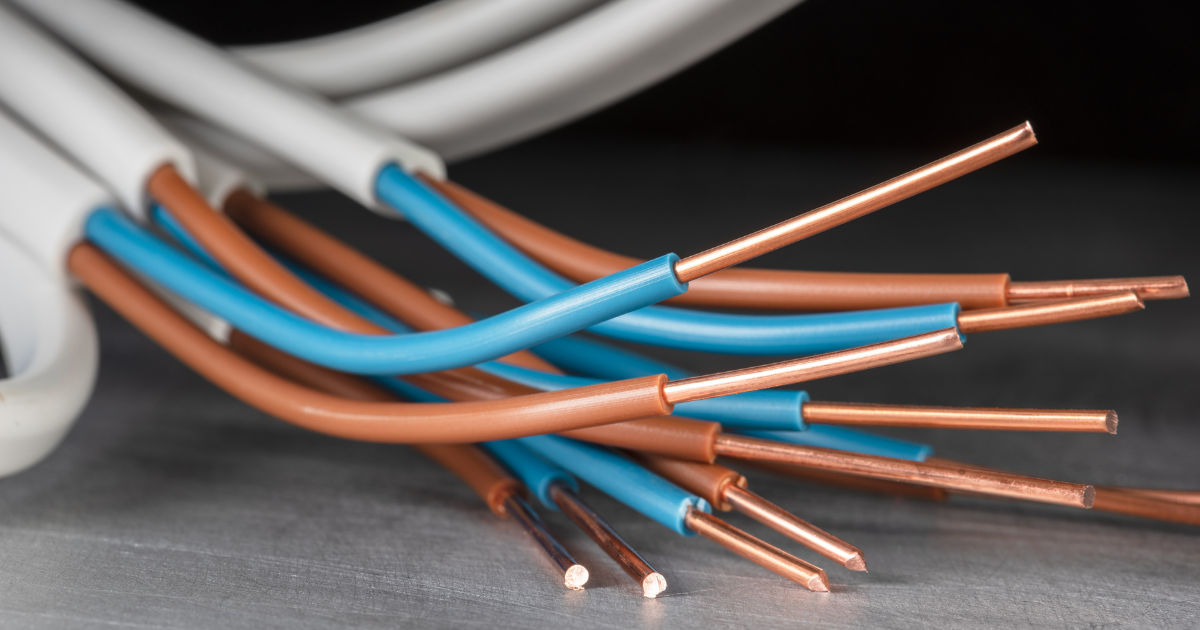
This is why working with trusted materials and suppliers, such as AGE Cables Supplier, ensures both safety and longevity.
House wiring may seem complicated at first, but with the right knowledge, anyone can grasp its fundamentals. This guide will cover everything you need to know, from the types of wiring to safety measures, and why it matters to choose quality materials and reliable suppliers.
What Is House Wiring?
House wiring is the method of connecting electrical devices, outlets, lights, and switches to a main power supply. It provides electricity throughout your home, allowing you to power everything from lights to kitchen appliances. The system includes cables, circuit breakers, switches, and safety devices that work together to ensure smooth and safe electrical flow.
The Role of Wiring in Homes
Wiring is more than just running cables through walls. Proper wiring ensures that:
Electricity reaches every device safely.
Overloads and short circuits are prevented.
Energy is used efficiently.
The home remains compliant with safety standards.
Without proper wiring, your home is at risk of electrical hazards, power outages, and inefficiency. This is why sourcing cables from a trusted AGE Cables Supplier is critical. Using quality materials reduces the risk of fire hazards and ensures your wiring lasts for decades.
Types of House Wiring
Understanding the types of wiring is a crucial part of house wiring basics. Different wires serve different purposes, and selecting the right one is key to safety and efficiency.
1. Single-Core and Multi-Core Wires
Single-core wires consist of a single conductor and are usually used for fixed installations.
Multi-core wires have multiple conductors inside a single cable and are suitable for devices that require multiple connections.
2. Aluminum vs. Copper Wiring
Copper wiring is highly conductive, durable, and resistant to corrosion. It is the most common choice for residential wiring.
Aluminum wiring is lighter and less expensive but more prone to oxidation and requires careful installation.
3. Insulated Wires
Wires come with insulation to prevent electrical shocks and short circuits. Common insulation types include:
PVC (Polyvinyl Chloride): Flexible and heat-resistant.
XLPE (Cross-Linked Polyethylene): Offers high-temperature tolerance and durability.
When purchasing wires, always choose certified products from a reliable AGE Cables Supplier to ensure safety and compliance with electrical codes.
Understanding Electrical Circuits in Your Home
An electrical circuit is a pathway through which electricity flows from the power source to appliances and back. Every home typically has several circuits designed to manage electrical load efficiently.
1. Types of Circuits
Lighting Circuits: Dedicated to powering lights in different rooms. Usually requires low current.
Power Circuits: Designed for heavy appliances like refrigerators, washing machines, and air conditioners.
Special Circuits: For devices requiring high or specialized power, like water heaters or security systems.
2. Circuit Breakers and Fuses
Circuit breakers and fuses protect your home from overloads and short circuits. They automatically cut off electricity if something goes wrong, preventing fire hazards and equipment damage. Choosing high-quality cables from an AGE Cables Supplier ensures compatibility with protective devices.
Tools and Materials Required for House Wiring
Proper tools and materials are essential for safe and efficient wiring. Here are some basics:
Wire Cutters and Strippers: To cut wires cleanly and remove insulation.
Screwdrivers and Pliers: For connecting wires and securing fixtures.
Voltage Testers: To check if wires carry current.
Cables and Wires: Preferably sourced from a certified AGE Cables Supplier.
Conduits and Clips: To protect and organize wires.
Using the right tools and materials not only improves safety but also makes installation faster and more efficient.
Step-by-Step Guide to Basic House Wiring
While professional electricians should handle complex installations, understanding the basics helps homeowners plan and troubleshoot electrical issues.
Step 1: Plan Your Wiring Layout
Sketch a plan of your house, marking where lights, sockets, and appliances will go. Consider the power needs of each area and plan circuits accordingly.
Step 2: Choose Quality Cables
Select wires with proper thickness, insulation, and durability. Certified products from an AGE Cables Supplier are ideal to ensure safety and long-term performance.
Step 3: Install Conduits
Conduits protect wires from damage and organize the wiring. PVC or flexible conduits are commonly used in residential settings.
Step 4: Connect Wires to Breakers and Sockets
Ensure the main power is off before starting.
Connect live, neutral, and ground wires properly.
Use screw terminals or connectors that ensure a secure connection.
Step 5: Test the System
After installation, test every socket, switch, and light. Use voltage testers to ensure circuits work correctly and safely.
Common House Wiring Mistakes to Avoid
Even minor mistakes can cause major hazards. Avoid these pitfalls:
Using substandard cables or unbranded products instead of sourcing from a certified AGE Cables Supplier.
Incorrectly connecting live, neutral, and earth wires.
Overloading a single circuit with too many devices.
Not using proper protective devices like fuses or circuit breakers.
Neglecting regular inspection and maintenance.
Avoiding these mistakes ensures your house wiring is safe, reliable, and long-lasting.
Safety Precautions for House Wiring
Safety is the most important aspect of house wiring. Even a minor mistake can lead to serious consequences.
1. Turn Off the Main Power
Always disconnect electricity at the main switch before working on any wiring project.
2. Wear Protective Gear
Use insulated gloves, goggles, and shoes to prevent shocks.
3. Use the Right Tools
Only use tools designed for electrical work to reduce the risk of accidents.
4. Follow Electrical Codes
Adhere to local regulations and standards to ensure legal and safe installations.
5. Regular Maintenance
Inspect wiring periodically for signs of wear, corrosion, or damage. Replace old cables with certified products from an AGE Cables Supplier when necessary.
Benefits of Understanding House Wiring
Knowing the basics of house wiring offers several benefits:
Safety: Prevents electrical fires and shocks.
Efficiency: Proper wiring ensures appliances work efficiently without overloading circuits.
Cost-Effective: Prevents expensive repairs by avoiding wiring mistakes.
DIY Support: Helps homeowners troubleshoot minor electrical problems.
Understanding house wiring empowers you to make informed decisions and ensures your home’s electrical system functions safely and efficiently.
How AGE Cables Supplier Ensures Quality and Safety
A reliable supplier plays a critical role in house wiring. AGE Cables Supplier provides:
High-quality copper and aluminum cables.
Certified insulation materials.
Compliance with international safety standards.
Expert advice for choosing the right cables for different circuits.
By choosing a trusted supplier, you reduce risks associated with poor-quality wiring, like overheating, short circuits, and fire hazards.
Advanced Wiring Concepts
For more complex home systems, understanding some advanced concepts is helpful.
1. Three-Phase Power
Large homes or special appliances may require three-phase power. This system distributes electricity more evenly and efficiently.
2. Smart Wiring
Modern homes use smart wiring to integrate home automation, lighting control, and energy management systems.
3. Grounding and Earthing
Grounding provides a safe path for electricity in case of faults, protecting both people and appliances. Using proper cables from a certified AGE Cables Supplier ensures effective grounding.
Conclusion
House wiring is the backbone of every home’s electrical system. Knowing the basics helps homeowners plan, maintain, and troubleshoot electrical systems safely. Choosing quality cables from a trusted AGE Cables Supplier ensures durability, safety, and compliance with standards.
Proper wiring reduces the risk of shocks, fires, and appliance damage. It allows efficient electricity use and future-proofing for upgrades like smart home systems. Whether you are building a new house or renovating an old one, understanding wiring basics is crucial for a safe and efficient home.
Remember, while DIY knowledge is valuable, complex installations should always be handled by certified electricians. Always prioritize safety, use high-quality materials, and follow electrical codes.
By mastering house wiring basics, homeowners gain peace of mind, save costs, and ensure a safe environment for family and friends.