
Pakistani weddings are known for their grandeur, vibrancy, and cultural richness. One of the most significant aspects of these celebrations is the attire worn by the bride, groom, and guests. Pakistani wedding outfits are not just clothing—they are a reflection of tradition, style, and personal expression.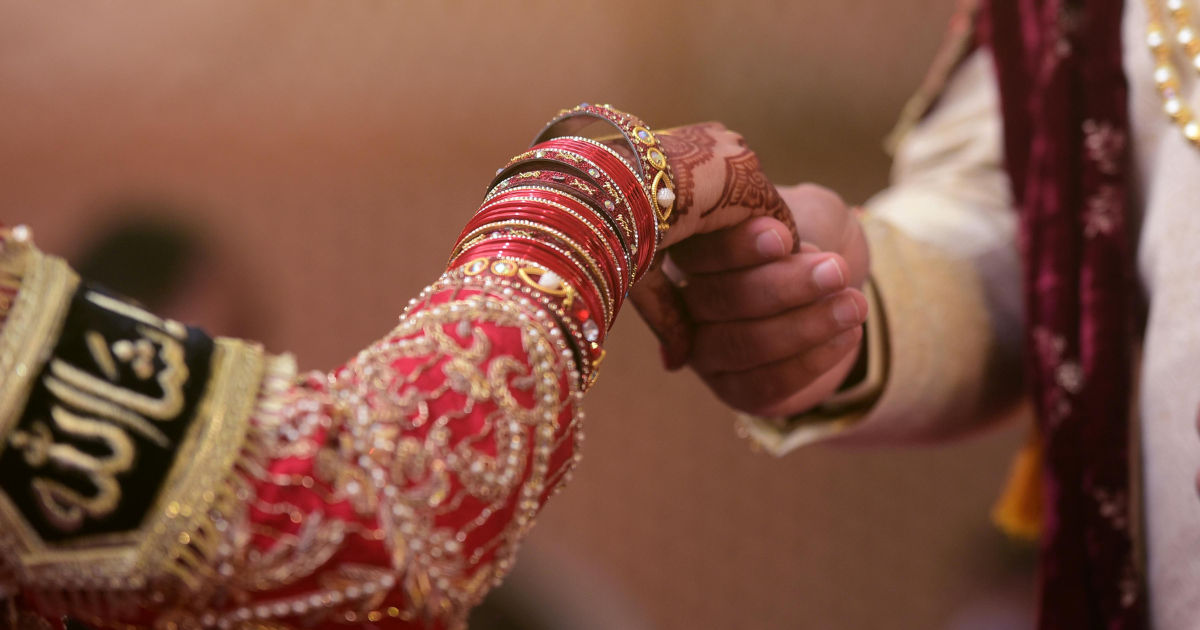
From bright colors and intricate embroidery to luxurious fabrics and modern designs, these outfits are a vital part of the wedding experience.
This guide will take you through everything you need to know about Pakistani wedding outfits, from types and styles to accessories and modern trends.
Importance of Pakistani Wedding Outfits
The significance of Pakistani wedding outfits goes beyond aesthetics. These outfits represent cultural heritage, family values, and social status. Each wedding outfit tells a story, often inspired by regional traditions and family customs. Wearing the right outfit is considered essential in showing respect to the hosts and the cultural ceremony. Brides and grooms often spend months choosing their attire, ensuring it complements the theme of the wedding, matches family expectations, and reflects their personal style.
Traditional Pakistani Wedding Outfits
Traditional Pakistani wedding outfits are timeless and carry centuries of heritage. These outfits are designed to be elaborate, luxurious, and eye-catching, ensuring the bride and groom stand out during their special day.
Bridal Outfits
The bridal outfit is the centerpiece of any Pakistani wedding. Traditionally, brides wear lehengas, shararas, or ghararas. These outfits are usually made from rich fabrics like silk, chiffon, or velvet and are adorned with detailed embroidery, beads, sequins, and zari work.
-
Lehenga: A lehenga is a long, flared skirt paired with a matching blouse (choli) and a dupatta. The dupatta is often draped over the head or shoulder. Bridal lehengas can feature heavy embroidery with floral patterns, gold threadwork, or mirror embellishments.
-
Shararas and Ghararas: These are more traditional choices, especially in older Pakistani weddings. Shararas are wide-legged pants paired with long tunics, while ghararas have a fitted waist and flare dramatically below the knee. Both are typically decorated with intricate embroidery and sequins.
Color is another important aspect. While red is the most popular bridal color, symbolizing love and prosperity, brides increasingly choose pastels, gold, or even unconventional colors like peach and mint green.
Groom Outfits
Groom attire is equally important in Pakistani weddings. The traditional outfit for men includes the sherwani, often paired with a churidar, pajama, or dhoti-style pants. Sherwanis are long coats that can be heavily embroidered or subtly designed, depending on personal taste.
-
Sherwani: This is the most popular choice for grooms. Modern sherwanis come in a variety of fabrics, including silk, brocade, and linen. They are often paired with a matching or contrasting dupatta draped elegantly across the shoulder.
-
Achkan: Similar to the sherwani but slightly shorter, the achkan is another option for grooms looking for a sophisticated and classic look.
-
Accessories: Grooms often complement their outfits with turbans, embroidered waistcoats, brooches, and traditional shoes called mojari or khussa.
Pakistani Wedding Outfits for Guests
While the bride and groom are the center of attention, guests also play a role in showcasing fashion. Pakistani wedding outfits for guests are vibrant, festive, and stylish. Women often wear lehengas, long dresses, or sarees with elegant embroidery. Men might choose sherwanis, kurta-pajamas, or formal suits. Choosing the right outfit as a guest involves respecting the formality of the occasion while incorporating personal style.
Women’s Guest Outfits
Guests can experiment with colors and styles while maintaining the traditional elegance of Pakistani weddings. Popular choices include:
-
Anarkali Suits: These are long, flowy dresses with fitted bodices and flared skirts. They are often decorated with sequins, lace, or embroidery.
-
Sharara Suits: Similar to bridal shararas but lighter, these suits are comfortable for dancing and socializing.
-
Formal Sarees: While less common than other options, sarees in vibrant colors with delicate embroidery are a beautiful choice for wedding guests.
Men’s Guest Outfits
Men can opt for traditional or modern attire depending on the wedding’s theme. Options include:
-
Kurta Pajama: A classic choice that is comfortable and versatile. It can be paired with a waistcoat or jacket for added elegance.
-
Sherwani or Achkan: Reserved for more formal or evening events, these outfits allow men to look stylish while respecting traditional norms.
-
Western Suits: Some guests prefer formal suits for a more contemporary look, often paired with traditional Pakistani shoes to maintain cultural balance.
Fabrics and Embroidery Styles in Pakistani Wedding Outfits
The choice of fabric and embroidery plays a crucial role in the overall look and feel of Pakistani wedding outfits. High-quality fabrics not only enhance the aesthetic appeal but also provide comfort during long celebrations.
Popular Fabrics
-
Silk: Known for its rich texture and sheen, silk is a popular choice for bridal lehengas and groom sherwanis.
-
Chiffon and Georgette: Lightweight and flowy, these fabrics are ideal for dupattas and guest dresses.
-
Velvet: Velvet is often used for winter weddings or for adding a luxurious touch to an outfit.
-
Net: Net fabrics are used for overlays and dupattas, giving a delicate and elegant appearance.
Embroidery Styles
Pakistani wedding outfits often feature intricate embroidery that can vary by region and designer. Popular embroidery styles include:
-
Zari: Metallic threadwork, usually in gold or silver, creating a regal effect.
-
Sequin Work: Adds sparkle and glamour to bridal outfits.
-
Resham: Silk thread embroidery creating floral or geometric patterns.
-
Mirror Work: Tiny mirrors stitched into fabric to reflect light and add shine.
Colors and Trends in Pakistani Wedding Outfits
Color trends in Pakistani weddings are evolving, yet traditional favorites remain popular. Red, maroon, and gold are classic choices for brides, while pastels, blues, and greens are gaining popularity. Grooms traditionally wear cream, beige, or ivory sherwanis, but bold colors like navy, burgundy, and emerald green are becoming trendy.
Modern trends in Pakistani wedding outfits also include fusion styles, mixing traditional embroidery with contemporary cuts. Designers are experimenting with asymmetrical hemlines, capes, ruffles, and layered skirts to add a modern twist without losing cultural essence.
Pakistani Wedding Outfits for Different Ceremonies
Pakistani weddings are multi-day events, each with its own theme and dress code. This allows the bride, groom, and guests to showcase multiple outfits.
Mehndi Ceremony
The Mehndi is a pre-wedding celebration marked by bright colors and lively music. Outfits for Mehndi are usually lighter fabrics with playful colors like yellow, green, and orange. Women often wear lehengas, shararas, or anarkalis with floral prints or light embroidery. Grooms typically choose lighter sherwanis or kurta pajamas with minimal embellishments.
Barat Ceremony
The Barat is the main wedding day, where grandeur is at its peak. Brides wear heavily embellished lehengas or ghararas in traditional colors like red or maroon. Grooms wear intricately embroidered sherwanis with matching turbans. Guests often opt for formal lehengas or sherwanis to match the event’s lavish atmosphere.
Walima Ceremony
The Walima is the reception hosted by the groom’s family. Outfits for Walima tend to be more elegant and less traditional. Brides may choose pastel-colored lehengas or gowns, while grooms may wear formal suits or stylish sherwanis. Guests often follow a semi-formal dress code with contemporary outfits.
Accessories for Pakistani Wedding Outfits
Accessories are a crucial part of completing Pakistani wedding outfits. They enhance the overall look and add a touch of personal style.
For Brides
-
Jewelry: Necklaces, earrings, maang tikka (forehead jewelry), and bangles are essential. Heavy gold or Kundan jewelry is traditional, while pearls and diamonds offer a modern twist.
-
Footwear: Embroidered or embellished mojari shoes are common.
-
Clutch or Potli Bag: Small decorative bags to carry essentials.
For Grooms
-
Turbans and Safas: Traditional headpieces that complement the sherwani.
-
Brooches and Pins: Add elegance and highlight intricate embroidery.
-
Footwear: Mojaris or khussa shoes are traditional choices.
Pakistani Wedding Outfits for Children
Children often participate in weddings, and their outfits are just as vibrant and festive. Girls typically wear mini lehengas, frocks, or shararas with light embroidery. Boys may wear kurta pajamas or mini sherwanis that mirror the style of adult grooms.
Modern Innovations in Pakistani Wedding Outfits
Contemporary designers are blending tradition with modern fashion trends in Pakistani wedding outfits. Some innovations include:
-
Fusion Styles: Combining Western gowns with traditional embroidery.
-
Minimalistic Embroidery: Modern brides sometimes prefer subtle designs over heavy embellishments.
-
Sustainable Fabrics: Eco-conscious weddings are inspiring the use of organic fabrics and hand-made embroidery.
How to Choose the Perfect Pakistani Wedding Outfit
Selecting the right Pakistani wedding outfit involves considering several factors:
-
Event Type: Each ceremony requires a different style and level of embellishment.
-
Comfort: Outfits should allow freedom of movement for dancing and long celebrations.
-
Body Type: Choosing cuts and silhouettes that complement body shape is important.
-
Theme and Colors: Outfits should align with the wedding’s theme and family preferences.
-
Budget: Luxury comes at a price, but beautiful outfits can be found at every budget range.
Conclusion
Pakistani wedding outfits are more than just attire; they are an expression of culture, tradition, and personal style. From the bride’s elaborate lehenga to the groom’s elegant sherwani, every outfit plays a significant role in celebrating the joyous occasion. Guests, children, and family members also contribute to the festive fashion, making Pakistani weddings a spectacle of colors, textures, and designs. Modern trends are blending seamlessly with traditional elements, ensuring these outfits remain timeless while appealing to contemporary tastes. Understanding the types, fabrics, embroidery, and accessories of Pakistani wedding outfits allows anyone attending or planning a wedding to choose the perfect ensemble, making every celebration unforgettable.
Pakistani wedding outfits are a perfect reflection of heritage, elegance, and artistry. Whether you are a bride, groom, guest, or designer, embracing these outfits ensures that the wedding becomes a visually stunning and culturally rich event.