
Burgers are among the most popular fast-food meals worldwide. From classic cheeseburgers to gourmet creations with special sauces and fresh toppings, they offer something for almost every taste. However, for Muslims who follow Islamic dietary guidelines, choosing a burger involves more than considering its flavor, appearance, or price. The ingredients and the way the meat is sourced and prepared also matter.
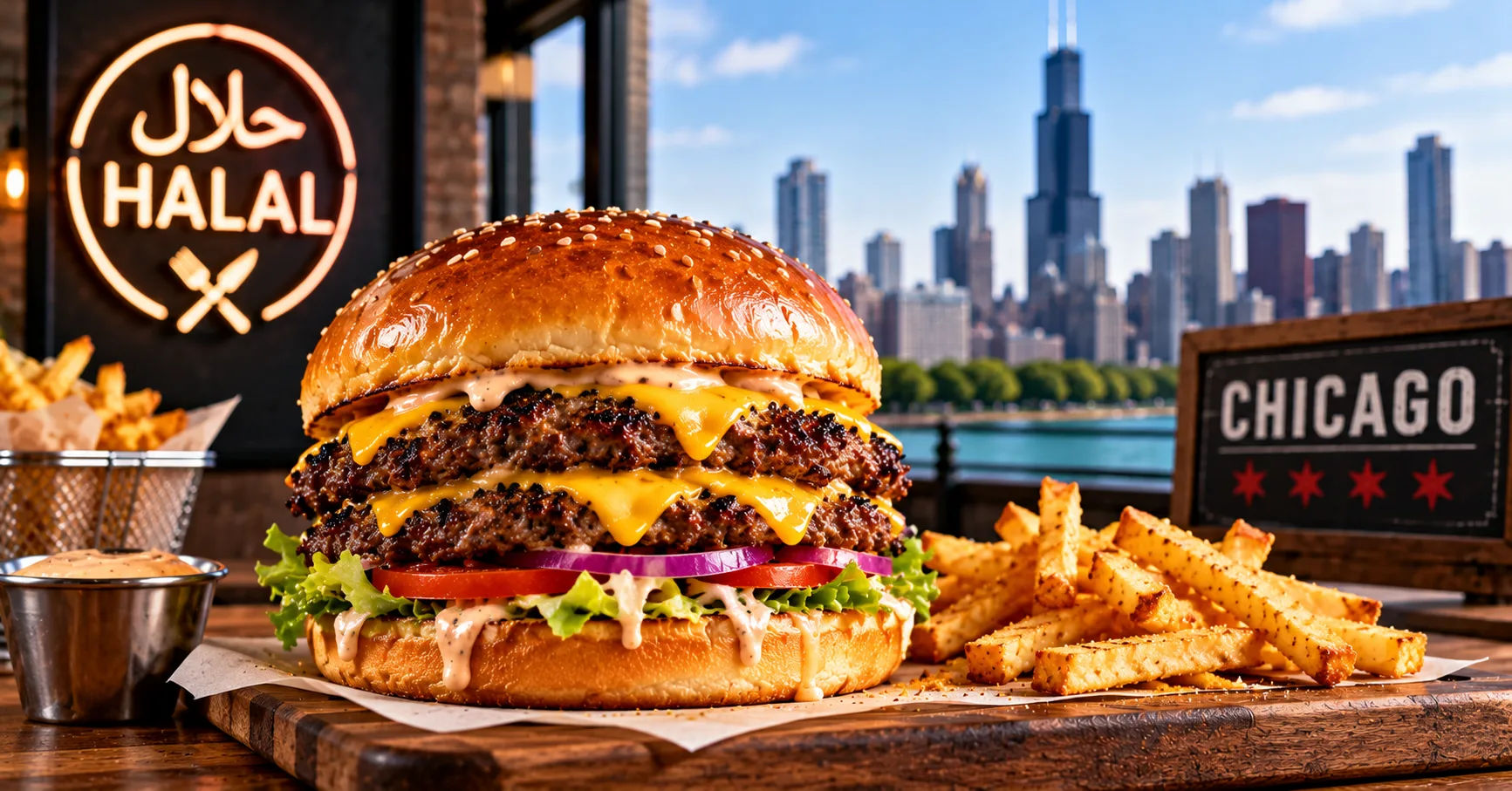
A Halal Beef Burger is different from a conventional beef burger because its ingredients and preparation must meet applicable Islamic dietary requirements. This includes using permissible beef, ensuring that the slaughter process meets the relevant halal standards, and checking other ingredients for anything prohibited. Proper handling and preparation are also important for maintaining halal integrity.
Although halal burgers can look and taste very similar to other burgers, the standards behind them can make a significant difference to Muslim consumers. Understanding these differences helps people make informed choices at restaurants, supermarkets, food stalls, and home kitchens.
This comprehensive guide explores how halal beef burgers differ from regular burgers, what makes their ingredients permissible, how halal certification works, and what consumers should consider when ordering or preparing one.
What Is a Halal Beef Burger?
A halal beef burger is a burger made using beef and other ingredients that comply with Islamic dietary requirements.
The word halal means permissible under Islamic law. In the context of food, it refers to ingredients and preparation methods that meet the relevant religious requirements.
A typical burger may contain a beef patty, bun, cheese, lettuce, tomatoes, onions, pickles, and sauces. These ingredients can all be used in a halal burger, provided they meet the applicable requirements.
The most important distinction often concerns the beef itself. Cattle are permissible animals, but their meat must also meet the relevant Islamic slaughter requirements to qualify as halal.
The preparation process matters, too. Cooking utensils, storage areas, and food-handling procedures should be managed to prevent contamination with prohibited ingredients.
A halal burger does not necessarily require a special recipe or unusual ingredients. It can use the same familiar flavors and cooking techniques as other burgers while meeting additional dietary standards.
How Is a Halal Beef Burger Different From a Regular Burger?
The main differences involve meat sourcing, slaughter requirements, ingredient verification, and food handling. The appearance of the finished burger may be identical, but its production standards can be different.
1. The Source of the Beef
The source of the meat is one of the most important distinctions.
For a halal burger, the beef must come from a permissible animal and meet the relevant halal slaughter requirements. Consumers may look for a trusted supplier or recognized halal certification to confirm these details.
A conventional beef burger may use beef that has not been sourced or slaughtered according to halal requirements. This does not necessarily mean the meat is unsafe or poor quality; it means that its religious status may differ.
2. The Slaughtering Process
Islamic dietary requirements include rules concerning how permissible animals are slaughtered.
Many consumers specifically look for Zabiha halal beef, meaning meat obtained through Islamic ritual slaughter according to the applicable standards.
Differences can arise over details such as stunning, slaughter supervision, and certification procedures. Some halal authorities accept certain reversible stunning methods, while others apply stricter conditions.
Therefore, consumers who follow a particular religious authority should check whether the meat supplier follows the standards they trust.
3. The Ingredients
Both conventional and halal burgers can contain beef, bread, cheese, vegetables, and sauces. The difference is that every ingredient in a halal burger must be suitable under the relevant halal requirements.
For example, cheese may contain processing enzymes that require verification. Some sauces and flavorings may also contain ingredients that consumers need to investigate.
A halal burger should not be judged solely by its meat. The complete ingredient list matters.
4. Food Preparation and Handling
Halal preparation requires appropriate care to prevent contamination with prohibited ingredients.
Restaurants may use dedicated cooking equipment, separate preparation areas, or effective cleaning and handling procedures, depending on their halal standards.
If a grill is also used for pork products, customers who require strict separation should ask how the restaurant manages the equipment and prevents cross-contact.
These procedures help maintain the halal status of the meal from preparation to serving.
What Makes the Beef in a Halal Burger Permissible?
Beef comes from cattle, which are permissible animals in Islam. However, several conditions must be considered before the meat can be used in a halal burger.
The Animal Must Be Permissible
Cattle are generally permissible for consumption, but meat from an animal that was not slaughtered according to the relevant Islamic requirements may not qualify as halal.
Consumers should therefore consider both the animal species and the method used to obtain the meat.
Islamic Slaughter Requirements Must Be Met
The slaughter must follow the applicable Islamic rules. These generally include the required invocation, a suitable slaughtering instrument, and the prescribed cut.
Specific requirements may vary according to the school of jurisprudence or halal certification standard followed.
The Meat Must Be Properly Processed
Once the animal has been slaughtered, the meat must be processed, transported, and stored in ways that preserve its halal status.
For ground beef, this is especially important because the meat may pass through processing equipment, packaging facilities, warehouses, and restaurant kitchens before being served.
Certification Can Provide Additional Assurance
A credible halal certificate can help consumers understand how a supplier verifies its meat and ingredients.
Certification requirements vary between organizations, so consumers who need a specific standard should check the certifier's requirements rather than relying on the word halal alone.
Are the Other Ingredients Different?
Not necessarily. Many familiar burger ingredients are suitable for both halal and conventional burgers. The important point is whether each ingredient meets the applicable requirements.
Burger Buns
Burger buns are usually made from flour, water, yeast, sugar, salt, and other baking ingredients.
These basic ingredients are generally suitable. However, commercially produced bread may contain emulsifiers, enzymes, or other additives whose sources can vary.
When halal assurance is important, check the label or look for suitable certification.
Cheese
Cheese gives a burger its creamy texture and savory flavor.
Some cheeses use animal-derived rennet or other processing aids. These ingredients may require verification, depending on their source and the halal standard being followed.
Halal-certified cheese can simplify the process for consumers who want additional assurance.
Sauces and Condiments
Ketchup, mustard, mayonnaise, and burger sauces are common choices.
Many products are suitable, but ingredients can vary between brands. Certain flavorings, extracts, or processing ingredients may require closer inspection.
A homemade sauce allows you to select the ingredients yourself, but you should still verify anything whose status is uncertain.
Vegetables and Pickles
Lettuce, tomatoes, onions, cucumbers, and pickles are familiar burger toppings. They are generally straightforward ingredients.
Their preparation still matters. Wash fresh vegetables properly and use clean utensils and preparation surfaces.
Does a Halal Beef Burger Taste Different?
A halal burger does not automatically taste different from a conventional beef burger. When the same cuts of beef, fat ratios, seasonings, and cooking methods are used, the finished burgers can have very similar flavors.
The halal distinction concerns the permissibility and handling of the ingredients rather than a particular taste or texture.
Flavor is influenced by several factors:
-
Meat quality: Fresh beef and a suitable fat ratio can produce a richer flavor.
-
Seasoning: Salt, pepper, garlic, and other spices influence the taste.
-
Cooking method: Grilling, pan-frying, and smashing create different textures and degrees of browning.
-
Toppings: Cheese, pickles, onions, and sauces contribute sweetness, acidity, and creaminess.
-
Freshness: Proper storage and timely preparation help preserve quality.
For example, a smash-style halal burger can have crispy edges and a juicy center, while a thicker halal patty may offer a more substantial bite.
The cooking technique does not determine halal status. A burger can be grilled, pan-fried, or cooked on a griddle, provided the ingredients and preparation meet the applicable requirements.
How to Identify a Genuine Halal Beef Burger
Consumers can take several practical steps to check whether a burger meets their needs.
Look for Recognized Halal Certification
Check whether the packaging or restaurant displays a halal certificate from a credible organization.
Certification can provide information about the supplier and its verification process. If you require a particular slaughter standard, confirm that the certifier follows it.
Ask About the Meat Supplier
At a restaurant, ask where the beef comes from and whether the supplier provides halal-certified meat.
A clear answer about the supplier and certification is more useful than relying only on the appearance of the burger or a general marketing claim.
Check the Ingredients
Review the ingredients in the bun, cheese, sauces, and seasonings. If an ingredient is unclear, contact the manufacturer or ask the restaurant for more information.
Ask About Preparation Procedures
If you are concerned about cross-contact, ask whether the restaurant uses separate equipment or follows suitable cleaning procedures.
The details matter most when your personal religious requirements call for strict separation from non-halal ingredients.
How to Make a Halal Beef Burger at Home
Preparing a halal burger at home gives you greater control over the ingredients and cooking process.
Ingredients
For two burgers, you will need:
-
300–350 grams of ground beef from a reliable halal source
-
Two burger buns with suitable ingredients
-
Two slices of suitable cheese, if desired
-
Lettuce and tomato
-
Sliced onion and pickles
-
Salt and black pepper
-
Ketchup, mustard, or another suitable sauce
Step 1: Prepare the Ingredients
Wash the vegetables, slice the toppings, and prepare the sauce. Keep raw meat separate from ready-to-eat ingredients.
Divide the beef into two portions and shape them gently into patties. Avoid compressing the meat more than necessary.
Step 2: Cook the Patties
Heat a skillet or grill to a suitable cooking temperature. Cook the patties, turning them as needed to brown both sides.
For ground beef, use a food thermometer to confirm an internal temperature of 71°C (160°F). This helps reduce the risk of foodborne illness.
Step 3: Add the Cheese
If using cheese, place it on the patties near the end of cooking so that it melts.
Ensure the cheese meets your halal requirements.
Step 4: Toast the Buns
Lightly toast the buns on a clean cooking surface. This improves their flavor and helps them hold the juices and sauce.
Step 5: Assemble the Burger
Place the patty on the bun and add the vegetables, pickles, and sauce.
Serve the burger while it is hot. By choosing suitable ingredients and using clean equipment, you can prepare a meal that meets your dietary requirements while enjoying familiar burger flavors.
Is a Halal Beef Burger Healthier?
Halal status and nutritional value are separate considerations.
A halal burger is not automatically healthier than a conventional burger. Its nutritional profile depends on the meat's fat content, portion size, cheese, sauces, bun, and side dishes.
Beef provides protein, iron, vitamin B12, and other nutrients. However, a large burger with multiple patties, cheese, and generous amounts of sauce can also contain substantial calories, saturated fat, and sodium.
To make a more balanced meal, consider using a smaller patty, adding fresh vegetables, moderating the sauce, and serving the burger with a salad.
You can also choose a whole-grain bun if you enjoy it. These changes can improve the overall balance of the meal without changing its basic character.
Common Misunderstandings About Halal Beef Burgers
Several misconceptions can make it difficult to understand the difference between halal and conventional burgers.
Misconception 1: All beef is halal.
Cattle are permissible animals, but the meat must also meet the relevant Islamic requirements.
Misconception 2: A halal label always means the same thing.
Certification standards can differ. Consumers who require a specific slaughter method should check the certifier's requirements.
Misconception 3: Halal burgers require special spices.
There is no single seasoning blend that makes a burger halal. The important factors are permissible ingredients and appropriate preparation.
Misconception 4: Halal food is automatically healthier.
Halal describes religious permissibility, not a particular calorie count or nutritional profile.
Misconception 5: The meat is the only ingredient that matters.
The bun, cheese, sauces, and food-handling procedures can also affect whether the complete meal meets the consumer's halal requirements.
Conclusion
A Halal Beef Burger differs from a conventional beef burger mainly through the sourcing of its meat, the applicable slaughter requirements, the suitability of its ingredients, and the way it is handled during preparation.
The finished burger can look and taste much like any other beef burger. Its halal status, however, depends on more than its appearance. Consumers should consider the meat supplier, certification standards, processed ingredients, and procedures used to prevent contamination with prohibited substances.
Understanding these differences makes it easier to choose burgers confidently at restaurants, supermarkets, and food stalls. Looking for credible certification, asking clear questions, and checking ingredient labels can provide useful assurance, particularly for people who follow specific Zabiha requirements.
Preparing a burger at home offers another practical option because you can select the beef, verify the ingredients, and control how the food is handled and cooked. With fresh vegetables, suitable buns, flavorful sauces, and properly cooked beef, a halal burger can be just as satisfying as any other style of burger.
Ultimately, the most important difference is not a special flavor or cooking technique. It is the care taken to ensure that the food meets the relevant Islamic dietary requirements while remaining safe, enjoyable, and well prepared.