
Bathroom remodeling is an excellent way to improve the comfort, functionality, and appearance of a home. Whether homeowners want to replace outdated fixtures, install a modern shower, upgrade plumbing, or completely redesign their bathrooms, understanding local building regulations is an important part of the process. One common question homeowners ask before starting bathroom remodeling weston ma projects is whether they need permits from the local authorities.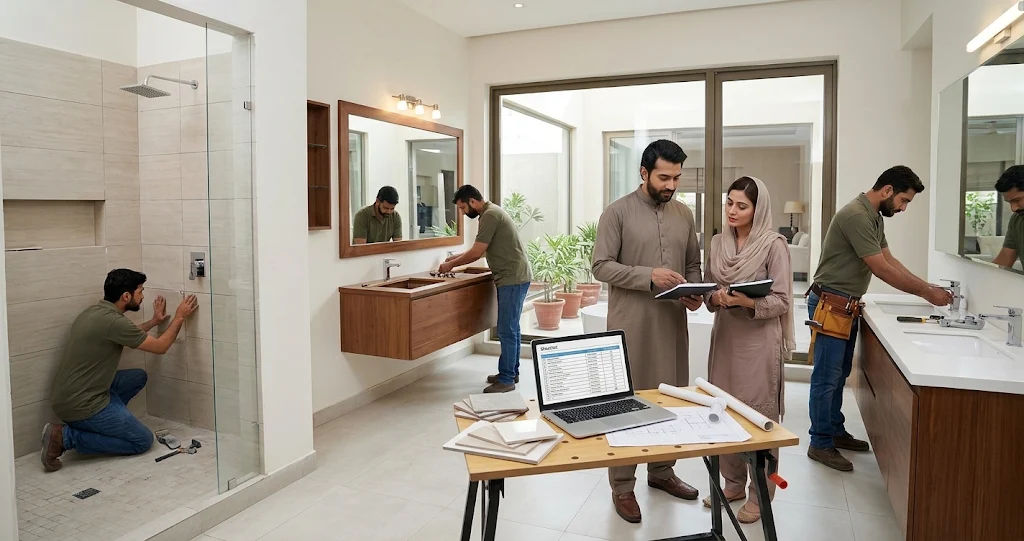
The answer depends on the type and extent of the renovation. Some cosmetic improvements may not require permits, while projects involving plumbing, electrical systems, structural changes, or significant alterations usually require official approval. Understanding these requirements helps homeowners avoid unnecessary delays, unexpected expenses, and potential compliance problems.
In Weston, Massachusetts, building permits and related approvals help ensure that renovation work meets applicable safety standards and building codes. Homeowners should understand which improvements require permission, how the application process works, and why professional contractors can make the entire experience easier.
This comprehensive guide explains the permit requirements, important regulations, application procedures, common mistakes, and practical considerations involved in bathroom renovations in Weston, MA.
Bathroom Remodeling Permit Requirements in Weston, MA
Building permits are official approvals issued by local authorities before certain construction or renovation activities begin. Their purpose is to ensure that proposed work follows applicable building codes, safety regulations, and construction standards.
For homeowners planning bathroom remodeling weston ma projects, permit requirements depend mainly on what changes they intend to make.
A simple cosmetic renovation may involve little more than replacing decorative features. However, a project that changes plumbing connections, electrical wiring, ventilation, or structural components generally requires additional review.
The Weston Building Department is the appropriate local authority for questions about building permits and construction requirements.
Homeowners should contact the department before beginning work rather than assuming that every bathroom improvement is exempt.
Why Are Bathroom Remodeling Permits Important?
Permits protect homeowners, contractors, and future occupants by establishing minimum construction and safety standards.
Bathrooms contain several important systems that must work together. Plumbing, electrical installations, waterproofing, ventilation, and structural components all influence the safety and performance of the finished space.
Proper inspections help identify problems before they become expensive repairs.
For example, incorrectly installed plumbing can cause leaks behind walls. Improper electrical installations can create safety hazards, while inadequate ventilation can contribute to moisture damage.
Permits also create an official record of approved renovation work, which can become valuable when selling a property or documenting previous improvements.
Who Issues Bathroom Remodeling Permits?
In Weston, the Building Department handles building permit applications and related construction inspections.
Depending on the project, homeowners may also need approvals involving plumbing, electrical, or other regulated work.
These approvals may be administered through the relevant local permitting authorities.
The exact requirements should be confirmed before construction begins because different parts of a renovation may fall under different regulations.
Which Bathroom Remodeling Projects Require Permits?
Not every bathroom improvement requires a building permit. The most important consideration is whether the renovation changes regulated building systems or affects the structure.
Understanding the difference between cosmetic work and construction work helps homeowners prepare realistic renovation plans.
Cosmetic Bathroom Improvements
Cosmetic improvements generally involve changing the appearance of an existing bathroom without modifying its underlying systems.
Examples may include:
-
Painting bathroom walls.
-
Replacing decorative mirrors.
-
Installing new towel bars.
-
Changing cabinet hardware.
-
Replacing certain decorative accessories.
-
Updating removable bathroom decorations.
-
Replacing some existing finishes without altering regulated systems.
These improvements may not require a building permit.
However, the rules can vary depending on the specific work involved. Even a relatively small project can require approval if it affects electrical connections, plumbing systems, or other regulated components.
Homeowners should confirm any uncertainty with the Weston Building Department.
Plumbing Modifications
Plumbing changes are an important consideration during bathroom renovations.
Projects involving the installation, relocation, or replacement of plumbing systems may require plumbing permits and inspections.
Examples include:
-
Moving a toilet to another location.
-
Relocating a bathroom sink.
-
Installing new shower plumbing.
-
Changing water supply connections.
-
Modifying drainage pipes.
-
Installing new plumbing fixtures that require regulated connections.
-
Reconfiguring existing bathroom plumbing.
These improvements can affect water pressure, drainage, pipe connections, and the overall performance of the plumbing system.
A licensed plumbing professional can determine which permits are necessary and ensure that the work follows applicable Massachusetts plumbing requirements.
Electrical Work
Electrical upgrades are another common reason bathroom renovations require permits.
Bathrooms contain electrical equipment and fixtures that must meet specific safety requirements because water and electricity create additional risks.
Electrical projects that may require permits include:
-
Installing new electrical circuits.
-
Relocating electrical outlets.
-
Installing additional lighting circuits.
-
Changing electrical wiring.
-
Installing new exhaust fans involving electrical connections.
-
Adding electrical connections for bathroom equipment.
Electrical work should be performed by appropriately licensed professionals.
Homeowners should not assume that replacing an existing light fixture or installing a new electrical feature is automatically exempt. The nature of the work determines the approval requirements.
Structural Changes
Structural modifications generally require careful planning and official approval.
Examples include removing or modifying walls, changing floor framing, altering ceiling structures, or making openings in load-bearing components.
These changes can affect the strength and stability of a house.
For example, expanding a bathroom by removing a wall may require structural evaluation before construction begins.
A contractor or structural engineer can help determine whether additional drawings, calculations, or inspections are necessary.
Do You Need a Permit to Replace a Bathtub or Shower?
Replacing an existing bathtub or shower is one of the most common bathroom renovation projects.
Whether a permit is necessary depends on the details of the replacement.
If homeowners replace an existing fixture without changing plumbing connections, electrical systems, or structural components, the work may qualify for an exemption under applicable local requirements.
However, a more extensive replacement can trigger additional approvals.
Replacing an Existing Bathtub
A straightforward bathtub replacement may involve removing an old unit and installing a new one in the same location.
However, the project becomes more complicated when it requires:
-
Relocating water supply lines.
-
Changing drain connections.
-
Modifying the surrounding walls.
-
Altering floor structures.
-
Installing new electrical equipment.
-
Making significant waterproofing or construction changes.
Homeowners should confirm the requirements before removing existing fixtures.
Installing a Walk-In Shower
Walk-in showers are popular because they create a modern appearance and can improve bathroom accessibility.
However, installing one may involve more than replacing an existing shower enclosure.
The project might require plumbing modifications, drainage adjustments, waterproofing improvements, or structural changes.
A shower installation that changes the existing plumbing arrangement may require plumbing approval.
If the renovation also involves electrical work or structural modifications, separate permits may be necessary.
Changing Shower Locations
Moving a shower to another part of the bathroom generally involves more extensive construction.
New drainage routes, water supply connections, and wall or floor modifications may be required.
These changes should be evaluated by qualified professionals before work begins.
Obtaining the necessary approvals helps ensure that the installation meets applicable requirements.
Building Codes That Affect Bathroom Remodeling in Weston, MA
Building codes establish minimum standards for construction, safety, and property improvements.
Bathroom remodeling weston ma projects must comply with applicable Massachusetts building regulations and any relevant local requirements.
Understanding these standards helps homeowners make informed renovation decisions.
Massachusetts Building Code
Massachusetts adopts building regulations based on recognized model codes, with state-specific amendments.
The applicable requirements depend on the type of property, construction activity, and code provisions in effect when the project is reviewed.
Building code requirements may address:
-
Structural stability.
-
Fire safety.
-
Proper construction materials.
-
Ceiling heights.
-
Emergency access where applicable.
-
Safe installation of building components.
-
General construction practices.
A qualified contractor should understand the relevant requirements before preparing a renovation proposal.
Plumbing Code Requirements
Bathroom plumbing must meet applicable Massachusetts plumbing regulations.
These rules address the safe installation and operation of water supply and drainage systems.
Important considerations include appropriate pipe materials, drainage arrangements, fixture connections, and protection against plumbing problems.
Poor plumbing installation can lead to water damage, unpleasant odors, and costly maintenance.
Professional plumbing work helps prevent these issues.
Electrical Code Requirements
Electrical installations must follow the applicable Massachusetts electrical code.
Bathrooms require special attention because moisture can increase electrical risks.
Requirements may cover grounding, appropriate outlet protection, circuit arrangements, lighting installations, and electrical equipment placement.
Qualified electricians understand how these standards apply to bathroom renovations.
Ventilation and Moisture Control
Proper bathroom ventilation is essential for protecting indoor air quality and building materials.
Hot showers generate moisture that can accumulate on walls, ceilings, and other surfaces.
Without suitable ventilation, excessive moisture can contribute to condensation, deterioration, and mold growth.
A bathroom exhaust fan can help remove humid air.
Depending on the project, installing or modifying ventilation equipment may require electrical or building approval.
How to Apply for a Bathroom Remodeling Permit in Weston, MA
The permitting process becomes easier when homeowners understand the necessary steps before construction begins.
Although requirements vary according to project complexity, the following process provides a useful general overview.
Step 1: Define the Renovation Project
Start by identifying exactly what the bathroom renovation will involve.
Determine whether the project includes cosmetic improvements, plumbing changes, electrical upgrades, structural modifications, or a combination of these activities.
A detailed project description helps the local authority determine which approvals are required.
For example, replacing bathroom cabinets is different from moving a toilet or modifying a wall.
Step 2: Consult the Weston Building Department
Contact the Weston Building Department to discuss the proposed renovation.
Explain the work you intend to complete and ask which permits or supporting documents are necessary.
This step is especially important when the renovation includes several different construction activities.
Getting clarification early can prevent unnecessary delays.
Step 3: Prepare the Required Documents
Depending on the project, a permit application may require supporting information.
Possible documents include:
-
A completed permit application.
-
A detailed description of the proposed work.
-
Existing and proposed floor plans.
-
Construction drawings.
-
Plumbing layouts.
-
Electrical plans.
-
Contractor information.
-
Relevant technical specifications.
More complicated renovations may require professional drawings or additional documentation.
The local department determines which materials are necessary for the particular application.
Step 4: Submit the Application
Once the documents are ready, submit the application through the applicable Weston permitting process.
Make sure that all requested information is accurate and complete.
Missing information can slow down the review process.
Homeowners should also confirm the current application fees and accepted submission methods before filing.
Step 5: Wait for Approval
The appropriate authorities review the application to determine whether the proposed work meets applicable requirements.
Some projects receive approval relatively quickly, while more complicated renovations may require additional documentation or revisions.
Do not begin work that requires a permit until the necessary approval has been issued.
Step 6: Schedule Required Inspections
Certain renovations require inspections at different stages of construction.
For example, plumbing or electrical work may need to be inspected before walls and ceilings are closed.
Building inspections may also be necessary depending on the scope of the project.
Following the inspection schedule helps ensure that important construction details are checked properly.
Step 7: Complete the Project and Final Inspection
After construction is finished, the project may require a final inspection.
The inspector checks whether the completed work follows the approved plans and applicable regulations.
When all required inspections and approvals are complete, homeowners should keep the relevant documentation with their property records.
What Happens If You Remodel a Bathroom Without a Required Permit?
Starting renovation work without obtaining required permits can create several problems.
Although some minor improvements are exempt, regulated construction activities must follow the appropriate approval process.
Possible Financial Penalties
Local authorities may require homeowners to address unpermitted construction.
Depending on the circumstances, this can involve additional fees, penalties, or corrective work.
The exact consequences depend on the nature of the violation and applicable local requirements.
Delays and Additional Construction Costs
Unpermitted work can complicate a renovation.
For example, an inspector may identify construction that does not meet code requirements.
Correcting the problem may involve removing recently installed materials or reopening completed walls.
These additional activities can increase labor expenses and extend the project timeline.
Problems When Selling a Property
Unpermitted renovation work can create complications during a property sale.
Buyers may request documentation showing that major improvements received the necessary approvals.
If documentation is missing, questions about the quality and legality of previous construction may arise.
Proper permits and inspection records provide useful evidence that regulated work was completed through the appropriate process.
Home Insurance Concerns
Insurance policies and claims depend on their specific terms and circumstances.
However, unpermitted or improperly completed construction can create complications when an insurance claim involves renovation-related damage.
Homeowners should maintain accurate records and discuss relevant coverage questions with their insurance provider.
How Much Do Bathroom Remodeling Permits Cost in Weston, MA?
Permit costs depend on the type of work, project valuation, and applicable local fee schedules.
A simple renovation may require no building permit, while a project involving plumbing, electrical, or structural work may require multiple approvals.
Homeowners should not rely on a single estimated fee for every renovation.
Factors That Influence Permit Fees
Several factors may influence the total permitting expense.
Project valuation: Some permit fees are calculated partly according to the estimated construction value.
Type of approval: Building, plumbing, and electrical permits may have different fee structures.
Project complexity: Larger renovations may require additional reviews or documentation.
Inspection requirements: Certain projects involve multiple inspection stages.
Professional services: Architects, engineers, and licensed contractors may charge separately for preparing plans and supporting documents.
Planning a Realistic Renovation Budget
Permit fees should be included in the overall bathroom renovation budget.
Homeowners should also consider materials, labor, plumbing fixtures, electrical equipment, flooring, ventilation, and unexpected construction expenses.
A realistic budget reduces financial surprises during the renovation.
It is also wise to keep some additional funds available for hidden problems, such as damaged subfloors or outdated plumbing.
Can a Homeowner Apply for Bathroom Remodeling Permits?
Homeowners may be able to apply for certain permits themselves, depending on the type of property, work involved, and applicable Massachusetts requirements.
However, some construction activities must be completed by appropriately licensed professionals.
For example, regulated plumbing and electrical work generally requires qualified tradespeople.
Homeowner Responsibilities
When homeowners manage their own permit applications, they are responsible for providing accurate information and following applicable requirements.
They must also arrange necessary inspections and ensure that the work matches the approved plans.
Before choosing this approach, homeowners should ask the local authority whether they qualify to perform or supervise the proposed work.
Hiring Licensed Contractors
Hiring experienced professionals can make bathroom renovations easier.
A qualified contractor can help identify potential permit requirements, prepare project documentation, coordinate different trades, and organize construction activities.
However, homeowners should still confirm that required permits have actually been obtained.
A contractor's experience does not automatically replace official approval.
How to Choose a Bathroom Remodeling Contractor in Weston, MA
Choosing the right contractor is one of the most important decisions in a renovation project.
An experienced professional understands how different bathroom systems work together and can help prevent common construction problems.
Verify Licensing and Insurance
Before hiring a contractor, review their qualifications.
Ask whether they carry appropriate insurance and whether the tradespeople involved hold the licenses required for their work.
For plumbing and electrical installations, verify the relevant professional credentials.
Ask About Permit Experience
Contractors should understand the local permitting process and applicable Massachusetts requirements.
Ask whether they have completed similar bathroom renovations in Weston.
A professional should be able to explain which parts of the project require approval and how inspections will be coordinated.
Request a Detailed Written Estimate
A written estimate helps homeowners understand the expected project costs.
It should explain the planned work, materials, labor, estimated timeline, and payment arrangements.
Permit fees and professional service costs should be clearly identified.
Review Previous Projects
Looking at completed renovation projects can help homeowners evaluate a contractor's workmanship.
Pay attention to details such as tile installation, fixture placement, shower construction, storage arrangements, and overall finishing quality.
References from previous customers can also provide useful information about communication and project management.
Common Bathroom Remodeling Mistakes Homeowners Should Avoid
Even carefully planned renovations can experience problems when important details are overlooked.
Avoiding common mistakes can improve project quality and reduce unnecessary expenses.
Starting Construction Before Checking Permit Requirements
One of the biggest mistakes is assuming that a renovation does not require approval.
Homeowners should check requirements before purchasing materials or beginning demolition.
Ignoring Hidden Plumbing Problems
Older bathrooms may contain outdated pipes, damaged connections, or drainage issues.
These problems can become more expensive when discovered after new flooring or walls have been installed.
A professional inspection can help identify potential concerns early.
Choosing Materials Without Considering Moisture
Bathrooms experience regular exposure to humidity and water.
Materials should be suitable for these conditions.
Water-resistant flooring, appropriate wall finishes, quality sealants, and suitable ventilation all contribute to long-term performance.
Forgetting Proper Ventilation
Poor ventilation can affect bathroom comfort and damage building materials.
Homeowners should include appropriate ventilation in their renovation plans rather than treating it as an optional decorative feature.
Failing to Keep Permit Records
Permit applications, approvals, inspection reports, and contractor invoices should be stored safely.
These documents may become important when maintaining, refinancing, or selling the property.
How Long Does the Bathroom Remodeling Permit Process Take?
The time required to obtain permits depends on the complexity of the renovation and the local department's review process.
A relatively straightforward application may take less time than a project involving structural engineering, extensive plumbing changes, or several different approvals.
Homeowners should also account for possible application corrections and inspection scheduling.
Factors That Affect Approval Time
Several factors can influence how long the process takes:
-
Completeness of the application.
-
Complexity of the renovation.
-
Availability of required technical drawings.
-
Additional departmental reviews.
-
Questions about building code compliance.
-
Inspection scheduling.
Submitting accurate documents from the beginning can help reduce unnecessary delays.
Planning the Overall Renovation Timeline
Permit approval is only one part of a bathroom renovation.
The complete project may also involve design, material selection, ordering fixtures, demolition, plumbing, electrical work, waterproofing, tile installation, and final finishing.
A realistic timeline should include every stage.
Homeowners should avoid scheduling contractors too tightly before confirming that necessary permits are approved.
Benefits of Following Permit Requirements
Obtaining the correct permits may seem like an additional responsibility, but it offers several long-term advantages.
Improved Safety
Building regulations help ensure that plumbing, electrical systems, and structural components meet established safety standards.
This is especially important in bathrooms because they combine water, electricity, and enclosed spaces.
Better Construction Quality
Inspections encourage contractors to follow approved construction practices.
They can also identify certain problems before the renovation is completed.
Increased Property Confidence
Documented renovation work can provide reassurance to future buyers.
A properly documented bathroom improvement demonstrates that required approval procedures were followed.
Fewer Unexpected Problems
Planning around permit requirements helps homeowners identify important construction responsibilities early.
This can reduce confusion, unexpected expenses, and avoidable interruptions.
Conclusion
Bathroom remodeling can significantly improve the comfort, functionality, and appearance of a home. However, understanding local construction requirements is essential before beginning any renovation. For homeowners considering bathroom remodeling weston ma, the need for permits depends on the type of improvements being made and whether the work affects regulated building systems.
Simple cosmetic updates, such as painting walls or replacing decorative accessories, may not require permits. However, projects involving plumbing modifications, electrical installations, structural changes, or more extensive construction generally require the appropriate approvals. Some projects may also need separate plumbing and electrical permits.
The best approach is to contact the Weston Building Department before starting construction. Homeowners should explain their renovation plans, confirm the necessary approvals, understand the applicable building codes, and prepare all required documents. They should also make sure that licensed professionals handle regulated plumbing and electrical work.
Choosing an experienced contractor can make the process more manageable. A qualified professional can help coordinate the renovation, identify potential construction issues, and organize inspections. Nevertheless, homeowners should remain involved and verify that all required permits and approvals have been obtained.
It is equally important to maintain a realistic budget, select moisture-resistant materials, provide proper ventilation, and keep records of completed work. These decisions contribute to a bathroom that remains functional, attractive, and safe over time.
Ultimately, successful bathroom remodeling weston ma projects involve more than choosing attractive tiles, modern fixtures, and stylish cabinets. They require careful planning, attention to local regulations, professional workmanship, and responsible project management. By understanding permit requirements before construction begins, homeowners can protect their investment, avoid unnecessary complications, and create a bathroom that meets their household's needs for years to come.