
Shipping bulk products requires careful planning, proper packaging, reliable transportation, and effective quality control. Himalayan pink salt is a popular natural product used in food preparation, restaurants, food processing, cosmetics, wellness products, and decorative applications. Because many businesses purchase it in large quantities, understanding the shipping process is important for buyers who want safe and timely deliveries.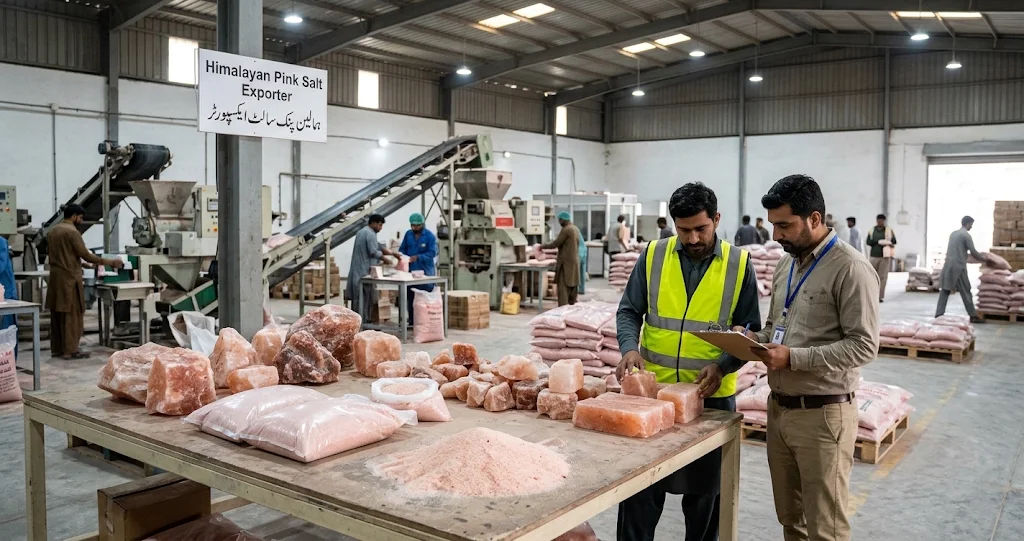
A Himalayan Pink Salt Wholesale Supplier follows several steps to prepare bulk orders for transportation. These steps generally include inspecting the salt, selecting suitable packaging, weighing quantities, labeling shipments, arranging transportation, and checking delivery conditions. Each stage helps protect the product and maintain its quality during transit.
Bulk shipping is different from sending small retail packages. Large orders require appropriate storage materials, stronger packaging, organized loading, and careful coordination with transportation companies. Suppliers must also consider the destination, shipping distance, order size, and customer requirements.
Whether a business needs food-grade salt, industrial salt, decorative salt products, or salt for wellness applications, understanding the shipping process helps buyers make informed purchasing decisions.
Bulk Himalayan Pink Salt Shipping
Bulk shipping refers to transporting large quantities of Himalayan pink salt from a supplier's warehouse or processing facility to a customer, distributor, retailer, or manufacturer.
Unlike individual consumer orders, wholesale shipments may contain hundreds of kilograms or several metric tons of salt. The exact quantity depends on the supplier's production capacity and the buyer's requirements.
A professional supplier usually develops a shipping plan before preparing an order. This plan considers packaging, transportation, delivery schedules, and product specifications.
Why Bulk Shipping Requires Careful Planning
Himalayan pink salt is a mineral product that must be protected from unnecessary moisture and contamination. Although salt is generally stable during transportation, poor packaging and unsuitable storage conditions can affect its condition.
For example, moisture exposure may cause salt crystals to become damp or form lumps. Damaged packaging can also allow dust and other unwanted materials to enter the product.
Proper planning helps prevent these problems.
Suppliers also need to calculate the weight and volume of each shipment. This information helps determine the appropriate vehicle, container, and loading arrangement.
Different Types of Bulk Orders
Wholesale customers purchase Himalayan pink salt in different forms.
Common product categories include:
-
Fine Himalayan pink salt.
-
Coarse Himalayan pink salt.
-
Himalayan pink salt crystals.
-
Pink salt powder.
-
Food-grade pink salt.
-
Industrial-grade pink salt.
-
Decorative salt products.
-
Pink salt used in bath and wellness products.
Each category may require different packaging and handling arrangements.
For example, fine salt needs packaging that prevents leakage, while large decorative salt pieces may require protective wrapping and stronger cartons.
How Suppliers Prepare Himalayan Pink Salt for Bulk Shipping
Preparing an order is one of the most important stages of the shipping process. Before transportation begins, suppliers must ensure that the correct product and quantity are ready.
Step 1: Inspecting Product Quality
The first step involves inspecting the salt before packaging.
Quality inspection helps confirm that the product meets the agreed specifications. Suppliers may examine its appearance, color, texture, cleanliness, and moisture condition.
Food-grade products may also require appropriate laboratory testing, depending on customer requirements and applicable food safety standards.
The inspection process can include:
-
Checking the natural pink color.
-
Examining crystal size.
-
Identifying visible impurities.
-
Checking for unusual moisture.
-
Confirming product specifications.
-
Reviewing relevant quality documentation.
These checks help reduce the possibility of customer complaints after delivery.
Step 2: Sorting and Processing
After inspection, salt may undergo sorting, crushing, grinding, or screening.
The required process depends on the product ordered by the customer.
Fine salt is processed into smaller particles, while coarse salt retains larger crystals. Some buyers request specific particle sizes for food manufacturing or commercial applications.
Sorting also helps separate materials that do not meet the required product specifications.
A reliable supplier keeps different product grades organized to prevent accidental mixing during preparation.
Step 3: Measuring Bulk Quantities
Once the product is ready, the supplier measures the quantity according to the customer's purchase order.
Industrial weighing equipment and calibrated scales help determine accurate shipment weights.
For example, a wholesale customer may order:
-
500 kilograms of fine pink salt.
-
1,000 kilograms of coarse pink salt.
-
5 metric tons of industrial salt.
-
Several pallets of retail-ready salt packages.
Accurate measurement helps suppliers prepare invoices, shipping documents, and transportation arrangements.
Packaging Methods Used for Bulk Himalayan Pink Salt
Packaging plays a major role in protecting Himalayan pink salt during transportation. The correct packaging depends on the product type, order quantity, transportation method, and destination.
1. Polypropylene Bags
Polypropylene bags are commonly used for large quantities of salt.
These bags are made from woven polypropylene material and are suitable for transporting heavy products. They are available in different sizes according to customer requirements.
Common advantages include:
-
Strong construction.
-
Convenient handling.
-
Relatively lightweight material.
-
Easy stacking.
-
Availability in different capacities.
Some suppliers use additional inner liners to provide better protection against moisture.
The packaging should be food-contact suitable when the salt is intended for human consumption.
2. Multi-Layer Packaging
Jumbo bags, also called Flexible Intermediate Bulk Containers (FIBCs), are designed for transporting large quantities of bulk materials.
They are commonly used when customers purchase salt in substantial commercial quantities.
Depending on their specifications, these bags can hold several hundred kilograms or more.
Their advantages include:
-
Efficient bulk transportation.
-
Reduced handling requirements.
-
Convenient warehouse storage.
-
Compatibility with suitable lifting equipment.
-
Better organization of large orders.
However, suppliers must select bags with an appropriate safe working load and suitable material specifications.
4. Cartons and Smaller Wholesale Packages
Some wholesale buyers require salt in smaller packages rather than large industrial bags.
For example, supermarkets, restaurants, and distributors may order cartons containing several retail-sized packages.
These cartons are generally arranged on pallets for easier transportation.
Strong outer cartons help protect individual packages from crushing and unnecessary movement.
How Bulk Orders Are Loaded for Transportation
After packaging, suppliers organize the shipment for loading.
This stage requires proper weight distribution, careful handling, and appropriate transportation equipment.
Palletizing Bulk Salt Orders
Palletizing involves arranging packaged products on wooden or plastic pallets.
It helps suppliers move multiple packages together using forklifts or pallet trucks.
A properly arranged pallet offers several benefits:
-
Easier loading and unloading.
-
Better warehouse organization.
-
Reduced manual handling.
-
Improved shipment stability.
-
More efficient container space utilization.
Suppliers may use stretch wrapping or protective covers to keep packages together.
However, pallet arrangements must remain within the weight and height limits specified by the carrier.
Checking Vehicle and Container Conditions
Before loading begins, the supplier or logistics team should inspect the transportation equipment.
For sea freight, containers should be clean, dry, and suitable for carrying the packaged product.
For road transportation, trucks should provide adequate protection against rain, dirt, and other environmental conditions.
Important inspection points include:
-
Clean interior surfaces.
-
No visible water leakage.
-
Suitable flooring.
-
Adequate loading capacity.
-
Proper ventilation where required.
-
No strong odors or contamination risks.
These checks help protect the shipment during its journey.
Transportation Methods Used by Wholesale Suppliers
A Himalayan Pink Salt Wholesale Supplier may use different transportation methods depending on the destination, delivery time, and order size.
Each method offers different advantages.
Road Transportation
Road transportation is commonly used for domestic wholesale deliveries.
Trucks can transport salt from processing facilities to warehouses, distributors, retailers, and manufacturing locations.
This option is useful for customers who need deliveries within the same city, province, or country.
Road freight also offers flexibility because suppliers can select vehicles according to shipment size.
Small trucks may carry relatively modest orders, while larger commercial vehicles can transport palletized bulk quantities.
Sea freight is an important transportation method for international bulk shipments.
It is often suitable for large wholesale orders because shipping containers can carry substantial quantities of packaged products.
Suppliers generally coordinate with freight forwarders to arrange container bookings, port transportation, and export documentation.
The main benefits include:
-
Suitable capacity for large shipments.
-
Access to international markets.
-
Flexible container options.
-
Efficient transportation for substantial commercial orders.
However, sea freight usually takes longer than air transportation.
Delivery schedules can also be affected by port congestion, customs procedures, weather, and shipping line schedules.
Air Freight
Air freight is generally selected when delivery speed is more important than transportation cost.
It may be suitable for urgent commercial orders, product samples, or relatively small shipments.
However, it is usually less economical for heavy bulk salt orders because of weight and freight charges.
Suppliers should compare transportation costs before choosing this option.
Export Documentation for International Bulk Shipping
International shipments require appropriate documents to support customs clearance and transportation.
The exact documentation depends on the exporting country, importing country, product classification, and customer requirements.
Commercial Invoice
A commercial invoice records important transaction details.
It generally includes:
-
Seller and buyer information.
-
Product description.
-
Quantity and unit price.
-
Total shipment value.
-
Currency.
-
Country of origin.
-
Applicable trade information.
Customs authorities use this document to assess the shipment.
Packing List
A packing list explains how the products are arranged within the shipment.
It may include the number of packages, package weights, dimensions, and pallet details.
This information helps customs officers, warehouse teams, and transport companies identify the shipment contents.
Certificate of Origin
A certificate of origin identifies the country where the goods were produced or obtained.
It may be required by the importing country or requested by the buyer.
For Pakistani Himalayan pink salt exporters, the appropriate documentation should establish the product's declared origin and comply with applicable export procedures.
Food Safety and Quality Documents
When salt is intended for food use, buyers may request additional documents.
Depending on the market, these may include:
-
Laboratory test reports.
-
Food safety certificates.
-
Product specifications.
-
Health certificates, where applicable.
-
Relevant quality management documentation.
A supplier should confirm the importing country's requirements before dispatch.
How Suppliers Protect Salt During Long-Distance Shipping
Long-distance transportation can expose packaged salt to changing temperatures, humidity, handling pressure, and storage conditions.
Suppliers use several precautions to reduce these risks.
Moisture Protection
Moisture is an important consideration when shipping Himalayan pink salt.
Salt can absorb moisture from humid surroundings, particularly when packaging is damaged or inadequately sealed.
Suppliers may use moisture-resistant packaging, suitable liners, and dry storage areas.
Shipping containers should also be inspected for signs of water entry.
Preventing Contamination
Food-grade salt requires particular attention to cleanliness.
Packaging materials should be suitable for the intended use, while storage and handling areas should remain clean.
Suppliers should avoid placing salt packages near chemicals, fuels, or materials that could introduce unwanted odors or contamination.
Preventing Package Damage
Bulk shipments can experience movement and pressure during transportation.
Strong packaging, stable pallet arrangements, and appropriate loading practices help reduce damage.
Suppliers should also ensure that heavy packages are not placed in ways that crush lighter cartons.
How a Himalayan Pink Salt Wholesale Supplier Manages International Orders
International orders involve several departments and service providers.
A supplier must coordinate product preparation, packaging, documentation, freight arrangements, and customer communication.
Confirming Customer Requirements
Before processing an international order, suppliers normally confirm the customer's product specifications.
These may include:
-
Salt grade.
-
Crystal size.
-
Required quantity.
-
Packaging type.
-
Labeling instructions.
-
Destination country.
-
Preferred shipping method.
Clear communication helps prevent misunderstandings.
Booking Freight Services
After confirming the order, suppliers coordinate with freight forwarders or transportation companies.
The logistics provider helps arrange transportation according to the agreed shipping terms.
For international orders, the buyer and seller should clearly understand their responsibilities for freight costs, insurance, customs clearance, and delivery.
Incoterms can help define these responsibilities.
Tracking the Shipment
Many freight providers offer tracking information for international shipments.
Tracking allows customers to monitor important transportation milestones.
These may include:
-
Shipment dispatch.
-
Warehouse departure.
-
Port arrival.
-
Vessel departure.
-
Arrival at destination port.
-
Customs clearance.
-
Final delivery.
Tracking information helps buyers organize receiving arrangements and inventory planning.
How Shipping Costs Are Calculated for Bulk Orders
Shipping costs depend on several factors.
The total amount is not determined by product weight alone. Packaging dimensions, transportation distance, delivery method, and handling requirements can also influence the final price.
Shipment Weight and Volume
Heavy shipments may have higher transportation costs, particularly when they require specialized handling.
For container shipping, the selected container size and cargo arrangement influence expenses.
For air freight, both actual weight and dimensional weight may be considered.
Destination and Distance
Shipping costs vary according to the destination.
Domestic deliveries may involve truck transportation, while international shipments may require several transportation stages.
Remote delivery locations can also increase costs.
Packaging and Handling Expenses
Strong packaging, palletization, protective liners, and labeling may add to the overall shipment cost.
However, suitable packaging can reduce the risk of product damage and replacement expenses.
Customs and Additional Charges
International buyers should also consider customs duties, taxes, port handling, documentation fees, and destination charges.
These costs vary by country and shipment classification.
A detailed quotation should explain which charges are included and which are payable separately.
How Buyers Can Choose a Reliable Bulk Salt Shipping Supplier
Selecting the right supplier is important because shipping performance directly affects business operations.
A buyer should evaluate more than the product price.
Check Product Quality Standards
Ask the supplier for product specifications and relevant quality documents.
For food-grade salt, verify that the product meets the requirements of the intended market.
Review Packaging Options
A reliable supplier should explain the available packaging sizes and materials.
Ask whether food-grade liners, moisture-resistant packaging, or customized labels are available.
Confirm Shipping Experience
Experience with international freight and export documentation can make the process easier.
Buyers should ask about the supplier's previous export markets and ability to coordinate large shipments.
Request Clear Delivery Estimates
A supplier should provide a realistic shipping estimate based on the destination and selected transportation method.
Delivery estimates should account for transportation and customs procedures.
Understand the Supplier's Communication Process
Good communication helps businesses manage inventory and plan future orders.
Buyers should know whom to contact for shipment updates, documentation, and delivery questions.
Common Challenges in Bulk Himalayan Pink Salt Shipping
Even well-organized shipments can experience unexpected challenges.
Understanding these issues helps suppliers and buyers prepare appropriate solutions.
Delayed Deliveries
Port congestion, transportation disruptions, customs inspections, and unfavorable weather can delay shipments.
Suppliers should communicate delays promptly and provide updated delivery estimates.
Packaging Problems
Weak bags, damaged seals, or unsuitable storage conditions can affect product quality.
Using appropriate packaging materials and checking packages before dispatch can reduce these risks.
Documentation Errors
Incorrect quantities, incomplete invoices, or inconsistent product descriptions may create customs clearance problems.
Careful document verification before shipment is essential.
Unexpected Shipping Costs
Fuel prices, freight rates, handling charges, and customs expenses may change.
Buyers should request detailed quotations and clarify additional charges before confirming large orders.
Benefits of Professional Bulk Shipping Services
Professional shipping arrangements provide several advantages to wholesale customers.
Better Inventory Management
Reliable delivery schedules help businesses maintain sufficient stock.
Retailers, distributors, and manufacturers can plan purchasing activities around expected arrival dates.
Reduced Product Damage
Suitable packaging and organized transportation reduce the likelihood of damaged or contaminated products.
This is particularly important for businesses purchasing large quantities.
Improved Business Efficiency
Working with an experienced supplier reduces the amount of time buyers spend coordinating separate packaging and logistics activities.
The supplier can manage several shipping stages through established transportation partners.
Easier International Trade
Professional export coordination helps buyers understand documentation, transportation responsibilities, and customs requirements.
This can make international purchasing more predictable.
Conclusion
Bulk shipping is an important part of the Himalayan pink salt wholesale business. It involves much more than placing salt inside bags and arranging transportation. Suppliers must inspect product quality, prepare suitable packaging, measure accurate quantities, organize loading, select reliable transportation, and complete the required documentation.
A professional Himalayan Pink Salt Wholesale Supplier generally follows an organized shipping process to protect product quality and meet customer requirements. Polypropylene bags, multi-layer packaging, jumbo bags, and palletized cartons are among the commonly used packaging options. The appropriate choice depends on the salt variety, shipment quantity, and transportation conditions.
Road transportation is useful for domestic deliveries, while sea freight is commonly selected for larger international orders. Air freight may be suitable for urgent or smaller shipments. Each method has different costs, delivery times, and handling requirements.
Moisture protection, contamination prevention, package inspection, and proper container conditions are also important. These measures help ensure that salt reaches its destination in suitable condition.
Buyers should evaluate suppliers based on product quality, packaging standards, export experience, documentation, communication, and shipping reliability. They should also understand freight costs, customs requirements, and delivery responsibilities before placing large orders.
Ultimately, successful bulk shipping depends on cooperation between suppliers, freight forwarders, transportation companies, and buyers. When every stage is properly managed, businesses can receive their Himalayan pink salt orders more efficiently, maintain consistent inventory, and build dependable long-term wholesale relationships.