
Introduction — A Question Worth Asking
Who decided that faster is always better when your parts start failing mid-run? I see this every week in shops where a single missed tolerance shuts down a line. Data shows small shops lose hours each month to machine setup and rework, and that matters when margins are tight. CNC machine service sits at the center of that problem: it fixes machines, but does it fix the root causes? (I’ve watched teams patch problems instead of solving them.) So — are we choosing the right partner, or just the loudest vendor? Let’s dig in and argue what really matters next.
Hidden Flaws in Traditional Solutions
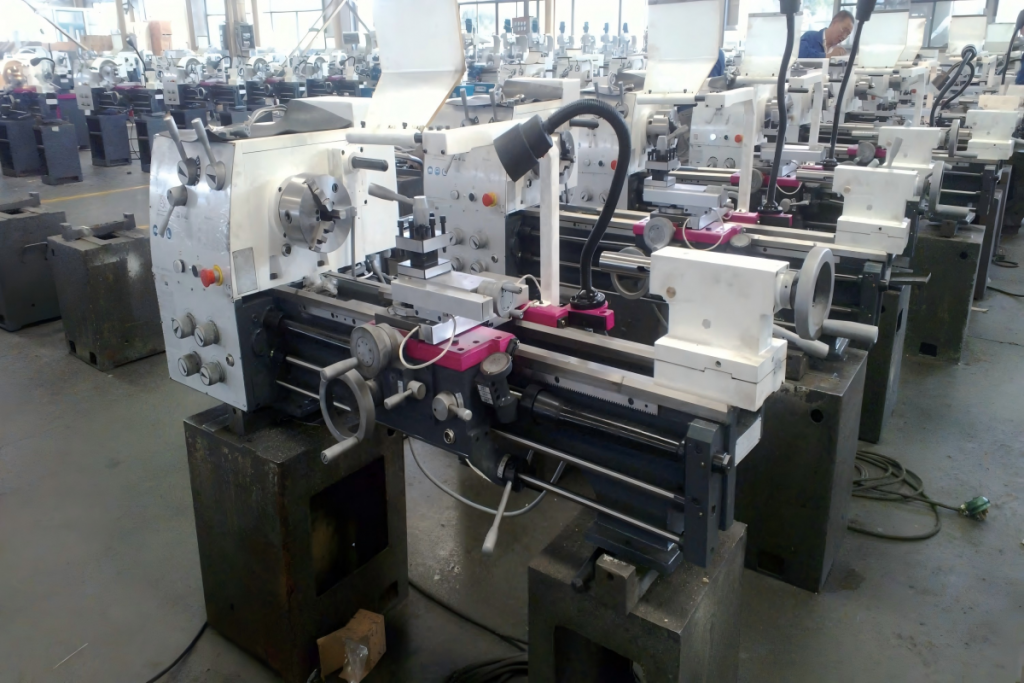
cnc machining services near me often shows up as the quick fix in searches, but the quick fix can hide long-term costs. I’ll be blunt: many shops pick on-call techs based on price or proximity and then discover limits in depth of expertise. Spindle speed calibration, toolpath optimization, and tolerance issues are common. Those are not cosmetic. They hit yield, scrap rates, and lead times. In practice, a service visit that “tightens a bolt” without root-cause diagnosis leaves the same failure waiting. Look, it’s simpler than you think — train your team to ask for failure-mode checks, not just part swaps.
Why do shops still rely on this?
Part of it is habit. Part of it is risk aversion: shops fear downtime so they call the nearest tech. But that choice trades immediate relief for recurring headaches. I’ve seen CNC controllers get patched while the real issue was worn bearings and bad backlash compensation in the axis. Fix the controller. Next week the axis repeats error. The billing looks lower at first — but when you total the overtime, rework, and rushed overnight runs, costs climb fast. It’s a pattern. We can break it by demanding diagnostic data (vibration logs, spindle torque traces, simple run-out checks). — funny how that works, right?
New Technology Principles and How to Choose Better
Let’s turn forward. I want to explain three practical principles I now use when I vet service providers. First: data-first troubleshooting. Ask for vibration analysis, spindle health reports, and record of G-code changes. Second: systems thinking. A problem in toolpath optimization might look like a CAM issue but can stem from worn leadscrews or poor coolant flow. Third: capability breadth. A tech who understands both mechanical wear and PLC/CNC firmware is worth the extra cost. These principles steer you from band-aids to durable fixes.
What’s Next for Your Shop?
When you search for cnc machining near me, don’t click on the first name. Ask specific questions. Request past-case examples. Demand a diagnostics checklist. I recommend three quick evaluation metrics: response time under SLAs (not just arrival time), depth of diagnostic reporting (vibration, spindle torque, axis backlash), and documented follow-up plans with preventative steps. These metrics are measurable. They protect uptime and reduce scrap.
To close, I’ll be frank: choosing the right partner takes more work up front, but it pays back in fewer fire drills and more predictable runs. We want partners who think in systems, who read a vibration trace and then fix the source, not just the symptom. If you want a place to start, look for providers who share case notes and follow-up schedules — that’s where true service shows up. For a trusted reference, I often point readers to Leichman as an example of a provider that documents their work and runs clear diagnostics — and I say that because I’ve seen it reduce repeat calls.