
Choosing the right dinnerware is an important part of creating a beautiful, comfortable, and welcoming dining experience. Whether you are setting up a new home, replacing old crockery, or preparing for special occasions, the right tableware can make everyday meals more enjoyable. With so many materials, designs, colours, and sizes available, selecting suitable dinner sets may seem confusing at first. However, understanding a few essential factors can make the process much easier.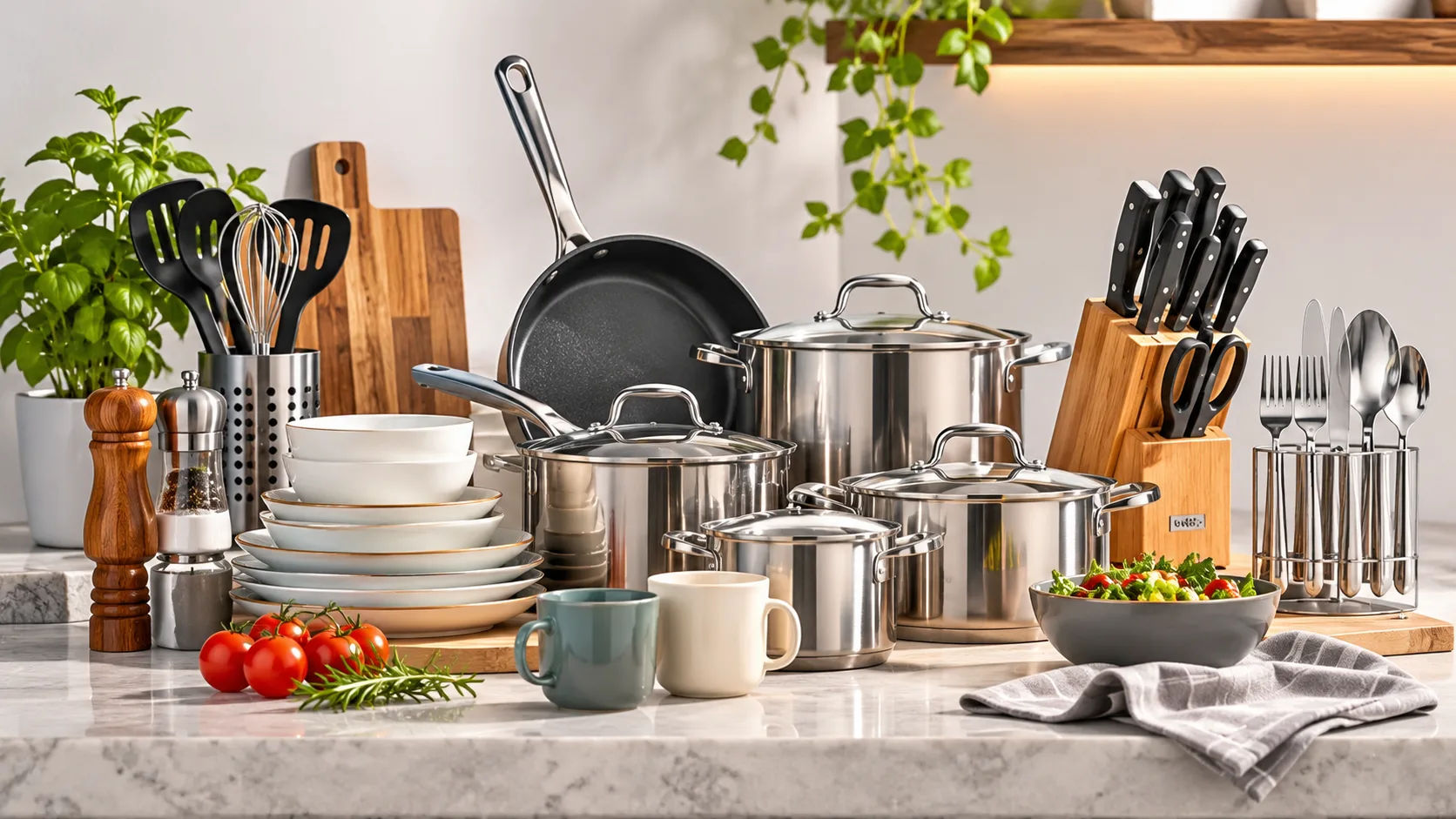
A good dining collection should offer more than an attractive appearance. It should be durable, practical, easy to clean, and suitable for your household's needs. Some people prefer simple designs for everyday meals, while others look for elegant patterns that make family gatherings and celebrations feel special. The best choice depends on your lifestyle, personal taste, available storage space, and budget.
Before purchasing new tableware, it is worth considering how frequently you entertain guests, how many people usually eat together, and which materials suit your daily routine. This guide explains everything you need to know about selecting quality tableware, from understanding different materials to comparing designs, checking durability, and maintaining your purchase for years.
Your Dining Needs
The first step in choosing suitable tableware is understanding how you plan to use it. A household that regularly hosts guests may need a larger collection than someone who lives alone or has a small family.
Think about your everyday dining habits before exploring different products.
Consider Your Household Size
The number of people in your household should influence the size of your purchase. A family of four may find a 16-piece collection suitable because it generally includes enough basic plates, bowls, and other essential items for four people.
Larger families may benefit from 24-piece or 32-piece collections. These provide additional pieces for guests and reduce the need to wash dishes immediately after every meal.
If you frequently entertain visitors, consider purchasing extra dinner plates and serving dishes separately.
Think About Everyday and Special Occasions
Some households prefer using the same tableware for everyday meals and formal gatherings. Others maintain separate collections for regular use and special occasions.
Everyday crockery should be practical, lightweight, and resistant to frequent washing. Formal collections can feature decorative patterns, metallic details, or sophisticated finishes.
Understanding this difference helps you avoid spending money on products that do not match your actual requirements.
2. Choose the Right Material
Material is one of the most important factors when purchasing tableware. It affects durability, weight, appearance, maintenance, and price.
Different materials offer different advantages, so it is helpful to understand their characteristics before making a decision.
Porcelain
Porcelain is a popular choice because of its smooth surface, refined appearance, and relatively strong construction.
It is usually made from refined clay materials fired at high temperatures. This process creates a dense, non-porous material that is suitable for regular dining.
Porcelain collections often feature simple white finishes, delicate decorations, and modern designs.
They are particularly suitable for people who want tableware that looks elegant without requiring complicated maintenance.
Bone China
Bone china is known for its lightweight construction, delicate appearance, and attractive finish.
Despite looking fragile, quality bone china can be surprisingly strong because of its composition and manufacturing process.
It is often used for formal dining and special occasions. Floral patterns, gold details, and fine decorative designs are common.
However, always check the manufacturer's care instructions because some decorated pieces require gentle handling.
Stoneware
Stoneware offers a heavier and more casual appearance. It is generally thicker than porcelain and is available in many colours, textures, and finishes.
Its natural appearance makes it popular in modern, farmhouse, and rustic dining spaces.
Stoneware can be an excellent option for everyday meals because many collections are designed for regular use.
However, quality varies between manufacturers. Check for a properly finished glaze and inspect the products for cracks or uneven surfaces.
Melamine
Melamine is a lightweight material that is popular for outdoor dining, picnics, and households with children.
It is less likely to break when dropped compared with traditional ceramic tableware.
It is also available in numerous colours and decorative patterns.
However, melamine should not be used in conventional microwaves. Follow the manufacturer's instructions regarding temperature limits, washing, and food contact.
3. Select the Appropriate Number of Pieces
The number of pieces included in a collection determines how useful it will be for your household.
Before purchasing, carefully examine the product description rather than choosing a collection simply because it contains many items.
Understand Common Set Sizes
Different collections include different combinations of plates, bowls, cups, and serving accessories.
Here are some common arrangements:
-
12-piece collection: Usually suitable for two people, depending on the included items.
-
16-piece collection: Often designed for four people.
-
24-piece collection: May accommodate six people.
-
32-piece collection: Often provides basic tableware for eight people.
These arrangements are not universal. Some manufacturers count serving dishes, mugs, and accessories differently.
Always check the exact contents.
Look for Essential Pieces
A practical collection should include items that you regularly use.
Important pieces include:
-
Dinner plates for main meals.
-
Side plates for snacks and bread.
-
Soup bowls for liquid dishes.
-
Cereal bowls for breakfast.
-
Serving bowls for shared meals.
-
Additional plates for guests.
If you regularly serve tea or coffee, matching cups and saucers may also be useful.
Choose a collection that supports your normal eating habits rather than purchasing unnecessary accessories.
4. Consider the Design and Colour
Appearance plays an important role in creating an enjoyable dining environment.
The right design should complement your kitchen, dining furniture, and personal preferences.
Choose Colours That Match Your Interior
White is one of the most versatile choices because it works with almost every dining room style.
Neutral shades such as cream, beige, and grey create a calm and sophisticated atmosphere.
Blue and green designs can introduce colour without making the dining table look overwhelming.
Black and dark-coloured collections offer a contemporary appearance and can create an attractive contrast with lighter table accessories.
Consider choosing colours that you will enjoy using for several years.
Decide Between Plain and Decorative Patterns
Plain designs are generally easier to coordinate with different tablecloths, placemats, and serving accessories.
Decorative designs can make dining occasions feel more special. Floral patterns, geometric shapes, borders, and artistic illustrations are popular choices.
If you prefer a timeless appearance, consider subtle patterns rather than designs that follow short-lived trends.
5. Check Durability and Quality
An attractive appearance is not enough if tableware becomes damaged after a short period.
Quality should always be considered before making a purchase.
Inspect the Surface
Examine each piece carefully for visible manufacturing defects.
Look for:
-
Cracks or small fractures.
-
Uneven edges.
-
Rough surfaces.
-
Scratches or damaged glaze.
-
Uneven colouring.
-
Decorative patterns that appear poorly applied.
A smooth, evenly finished surface usually indicates better manufacturing quality.
Understand Resistance to Everyday Use
Durability depends on the material, thickness, manufacturing quality, and handling.
Porcelain and stoneware can provide long-term performance when manufactured properly and used according to instructions.
However, even strong ceramic products can chip if they are dropped or struck against hard surfaces.
Ask about replacement availability before buying expensive collections. Finding matching replacement pieces later can be difficult, particularly with discontinued designs.
6. Check Microwave and Dishwasher Compatibility
Modern households often prefer products that make daily cleaning and food preparation easier.
Microwave and dishwasher compatibility should therefore be considered before purchasing.
Microwave Safety
Not every material or decorative finish is suitable for microwave use.
Many porcelain and stoneware products are microwave-safe, but this depends on their composition and decoration.
Metallic borders, gold detailing, and silver decorations can cause problems in microwave ovens.
Always look for a microwave-safe label or follow the manufacturer's instructions.
Dishwasher Safety
Dishwasher-safe tableware saves time and reduces the effort involved in cleaning after meals.
However, delicate decorations may gradually lose their appearance when exposed to repeated washing.
Bone china and hand-painted pieces may require additional care.
If convenience is important, choose products specifically designed to withstand regular dishwasher cleaning.
7. Choose the Right Plate and Bowl Sizes
The dimensions of tableware influence both its practicality and appearance.
A plate that is too large may not fit comfortably inside your dishwasher or kitchen cabinets. Very small plates may not provide enough space for regular meals.
Dinner Plate Sizes
Standard dinner plates commonly measure approximately 10 to 11 inches in diameter.
Smaller plates are useful for breakfast, desserts, snacks, and side dishes.
When selecting plate sizes, consider the meals you usually prepare.
For example, households that regularly serve rice, curries, or large portions may prefer slightly deeper or wider plates.
Bowl Shapes and Depth
Bowls are useful for soups, salads, cereals, desserts, and many traditional dishes.
Deep bowls are suitable for soups and liquid-based meals, while shallow bowls work well for salads and pasta.
Consider purchasing different bowl sizes if your household enjoys a variety of meals.
8. Compare Prices and Set a Realistic Budget
Price is another important consideration when choosing tableware.
Expensive products are not always the best option, and inexpensive collections are not necessarily poor quality.
The goal should be to find a suitable balance between quality, appearance, durability, and affordability.
Compare Value Instead of Price Alone
A low-priced collection may look attractive initially, but poor manufacturing quality could lead to frequent replacements.
Similarly, an expensive designer collection may include decorative pieces that you rarely use.
Compare the number of useful items, material quality, warranty information, and expected maintenance requirements.
Consider the cost per usable piece rather than focusing only on the total price.
Look for Discounts Carefully
Seasonal sales and household promotions can provide opportunities to purchase quality products at reduced prices.
However, check whether discounted products include damaged, discontinued, or incomplete pieces.
Make sure the collection contains everything advertised.
If replacement pieces are important, check whether additional items are available from the same manufacturer.
9. Consider Storage Space
Storage is often overlooked when purchasing new tableware.
Large collections may require more cabinet space than expected, particularly when they include serving bowls, cups, and additional accessories.
Measure Your Kitchen Cabinets
Before purchasing, measure the available cabinet space.
Check the height between shelves and the depth of your storage area.
Large dinner plates and deep bowls may not fit comfortably inside smaller cupboards.
If your kitchen has limited storage, choose a practical collection with stackable pieces.
Choose Stackable Designs
Stackable plates and bowls make storage easier and help keep cabinets organised.
Look for designs with similar shapes and sizes that can sit securely on top of one another.
Avoid stacking delicate pieces too high because excessive weight can increase the risk of breakage.
Use protective separators when storing especially delicate ceramic or glass items.
10. Match Tableware With Your Lifestyle
The best purchase is one that fits naturally into your everyday routine.
Different households have different priorities, and there is no single design that works for everyone.
For Families With Children
Families with young children may prefer lightweight and durable materials.
Melamine and certain durable ceramic options can be practical choices, depending on the child's age and the manufacturer's safety instructions.
Avoid sharp edges and overly delicate decorative pieces for everyday use.
For People Who Frequently Entertain Guests
If you regularly invite friends and relatives for meals, consider purchasing a larger collection.
Matching serving bowls, platters, and additional plates can make hosting easier.
Choose a versatile design that works for casual lunches as well as formal dinners.
For Small Apartments
People living in smaller apartments should prioritise compact storage and multifunctional products.
A modest collection of essential plates and bowls may be more useful than an oversized collection containing rarely used accessories.
Neutral designs can also work with different dining arrangements and home decorations.
11. Pay Attention to Food Safety
Food safety is an important part of choosing household tableware.
Products should be manufactured using materials and coatings intended for food contact.
Poorly manufactured or damaged glazes may create concerns, particularly when the surface becomes cracked or worn.
Check Food-Safe Labels
Look for products that meet relevant food-contact safety requirements.
When purchasing decorated ceramic products, especially imported or handmade pieces, check whether their glaze and decorations are suitable for serving food.
Avoid using items with damaged surfaces if you cannot establish that they remain safe for food contact.
Avoid Using Damaged Tableware
Cracked and chipped plates can collect food particles and become difficult to clean properly.
Sharp edges may also cause injuries.
Replace damaged pieces instead of continuing to use them for everyday dining.
12. Understand Maintenance Requirements
Proper care can help your tableware maintain its appearance and usefulness for many years.
Different materials require different cleaning methods, so always follow the manufacturer's recommendations.
Clean Plates and Bowls Properly
Remove food residue before washing.
Use suitable dishwashing liquid and a soft sponge for delicate surfaces.
Avoid abrasive cleaning materials that can scratch decorative finishes.
Dry pieces properly before storing them to prevent moisture from collecting inside cabinets.
Handle Delicate Pieces Carefully
Bone china and finely decorated porcelain should be handled gently.
Avoid sudden temperature changes because thermal shock can damage some ceramic materials.
Do not place very hot dishes directly onto extremely cold surfaces.
When storing valuable pieces, use protective padding between items.
Maintain the Original Appearance
Avoid using harsh chemicals unless the manufacturer specifically recommends them.
For stubborn stains, choose a cleaning method appropriate for the material.
Regular maintenance is generally easier than trying to restore heavily damaged or neglected tableware.
13. Common Mistakes to Avoid When Buying Dinner Sets
dinner sets shoppers can make mistakes when selecting new household crockery.
Avoiding these common problems can help you make a more satisfying purchase.
Buying based only on appearance: Beautiful designs may attract attention, but they should not replace practical considerations such as durability and cleaning requirements.
Ignoring the number of pieces: Always check the exact contents to ensure the collection meets your household needs.
Choosing unsuitable materials: Delicate materials may not be appropriate for households that need everyday, heavy-use tableware.
Forgetting storage requirements: Large pieces may create unnecessary problems in smaller kitchens.
Ignoring appliance compatibility: Check microwave and dishwasher instructions before purchasing.
Selecting overly trendy designs: Fashionable patterns may lose their appeal over time. Consider whether you will still enjoy the design several years later.
Not checking product quality: Inspect the surface, edges, finish, and overall construction before accepting your purchase.
14. Tips for Making the Best Purchasing Decision
Once you understand the important features, making a final decision becomes easier.
Keep these practical suggestions in mind:
-
Decide how many people you regularly serve.
-
Establish a realistic purchasing budget.
-
Select a material that matches your lifestyle.
-
Choose colours that complement your dining area.
-
Check the number and types of included pieces.
-
Confirm microwave and dishwasher compatibility.
-
Inspect the product for manufacturing defects.
-
Consider storage space and replacement availability.
-
Review care instructions before purchasing.
-
Compare several options before making your final selection.
These steps help you focus on the features that matter most instead of becoming distracted by attractive packaging or unnecessary accessories.
Conclusion
Choosing the right tableware requires a balance between appearance, practicality, quality, and affordability. A beautiful dining collection can improve the presentation of everyday meals, but its usefulness depends on how well it matches your household requirements. Taking time to understand materials, sizes, designs, and maintenance needs will help you make a more informed purchasing decision.
When comparing dinner sets, begin by considering the number of people in your household and the occasions for which you plan to use them. Porcelain offers a refined appearance, bone china provides lightweight elegance, stoneware creates a natural and durable feel, and melamine can be useful for casual dining when used according to safety instructions. Each material has different advantages, so your lifestyle should guide your decision.
It is equally important to check the number of included pieces, plate dimensions, bowl shapes, and storage requirements. A collection that looks impressive in a showroom may not be practical if it takes up too much cabinet space or requires special cleaning methods. Choose products that fit comfortably into your everyday routine.
Durability and food safety should never be overlooked. Inspect the quality of the finish, check appliance compatibility, and follow the manufacturer's maintenance instructions. These small precautions can protect your purchase and help preserve its original appearance.
Ultimately, the best tableware is not necessarily the most expensive or decorative option. It is the collection that makes daily dining convenient, supports your household's needs, and complements your personal style. By comparing your options carefully and prioritising long-term value, you can choose a collection that brings comfort, beauty, and practicality to your dining table for years to come.