
Choosing the right clothing can make a significant difference in comfort, flexibility, and performance during physical activities. Whether someone is running, cycling, lifting weights, practising yoga, or playing a team sport, the fabric they wear affects how easily they can move. This is why manufacturers carefully select materials that offer stretch, durability, and comfort. One important material used in modern athletic clothing is elastane, a synthetic fibre known for its excellent elasticity.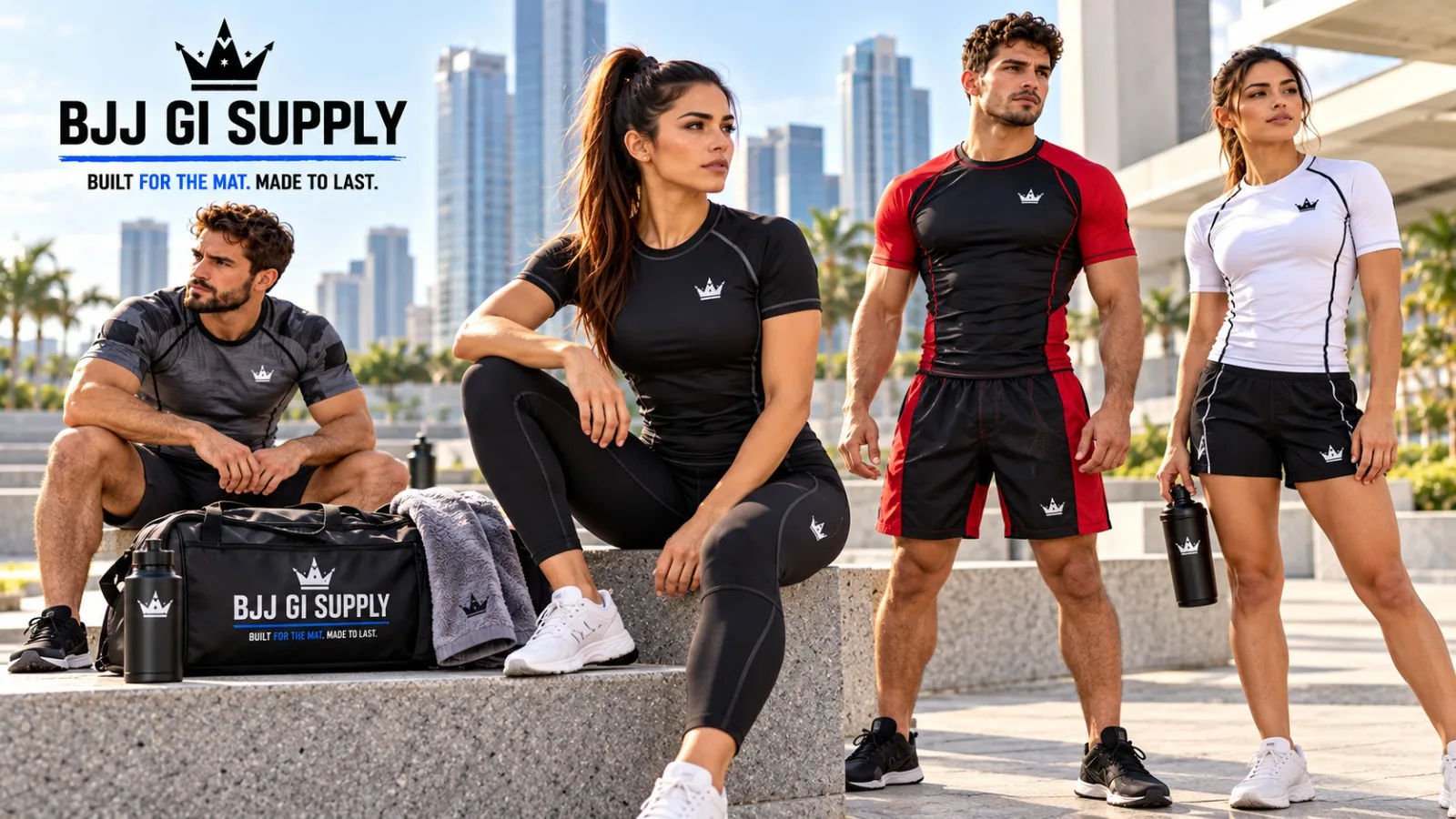
In today's active lifestyle, Sports Wears are designed to support different movements while helping athletes and fitness enthusiasts feel comfortable. Ordinary fabrics may feel restrictive during exercise, especially when the body bends, stretches, or moves quickly. Elastane helps solve this problem by allowing clothing to stretch with the body and return to its original shape after movement.
Elastane is commonly blended with materials such as polyester, nylon, and cotton to improve the overall performance of a garment. Although it is usually present in relatively small amounts, it can make a noticeable difference in how clothing fits and feels. Understanding why elastane is added to athletic clothing helps consumers make better decisions when choosing outfits for exercise, training, and everyday activities.
What Is Elastane?
Elastane is a synthetic fibre known for its exceptional ability to stretch and recover its original shape. It is also commonly called spandex in the United States and Canada. In some countries, the term Lycra is widely recognised, although Sports Wears bjj gi wholesales is a brand name rather than the generic name for every elastane fibre.
This material is manufactured from polyurethane-based polymers that give it its distinctive elastic properties. Unlike many traditional textile fibres, elastane can stretch significantly without permanently losing its shape when properly manufactured and cared for.
Elastane is rarely used alone in clothing. Instead, it is blended with other fibres to combine stretch with properties such as strength, softness, moisture management, and breathability.
For example, polyester provides durability and quick-drying performance, while elastane adds flexibility. Similarly, nylon can provide a smooth feel and good abrasion resistance, while elastane helps a garment fit closely around the body.
How Does Elastane Work?
Elastane fibres contain flexible polymer structures that allow them to extend when force is applied. When that force is removed, the fibres contract and return towards their original length.
This stretching and recovery process is especially useful during exercise. When a person bends their knees, raises their arms, or stretches their legs, clothing must adjust to the changing shape of the body.
Without sufficient elasticity, fabric may pull tightly, wrinkle, or restrict movement. Elastane helps garments adapt to these movements while maintaining a comfortable fit.
1. Improved Flexibility and Freedom of Movement
One of the main reasons elastane is added to athletic clothing is to improve flexibility. Exercise involves repeated movements that require clothing to stretch in different directions without creating discomfort.
Running, squatting, jumping, stretching, and lifting weights all place different demands on fabric. Elastane helps garments accommodate these movements more easily.
For example, leggings containing elastane can stretch when a person performs a deep squat. Instead of feeling tight around the knees and hips, the fabric adjusts to the body's movement.
Likewise, a training shirt with an elastane blend can provide greater freedom when the wearer raises their arms or rotates their shoulders.
Why Flexibility Matters During Exercise
Restricted clothing can distract athletes and make certain movements uncomfortable. A fabric that stretches naturally with the body allows people to concentrate on their exercise rather than continually adjusting their clothes.
This is particularly important for yoga, Pilates, gymnastics, dance, and strength training, where a wide range of motion is often required.
The amount of elastane used depends on the garment's intended purpose. Compression leggings may contain a higher proportion than a loose-fitting running shirt.
2. Better Fit and Body Support
Another important benefit of elastane is its ability to help clothing maintain a close and comfortable fit.
Athletic garments often need to remain in place while the wearer moves. Loose fabric can shift, bunch up, or interfere with certain exercises. Elastane helps clothing fit the body's shape without making it feel unnecessarily restrictive.
This is why it is commonly found in leggings, cycling shorts, fitted sports tops, compression garments, and athletic base layers.
Maintaining a Secure Fit
Elastane helps waistbands remain comfortable and allows fitted garments to accommodate different body positions. It can also reduce the likelihood of clothing sagging or becoming loose during repeated movements.
For example, cycling shorts benefit from stretch because riders spend long periods bending forward and moving their legs. A flexible fabric can maintain a closer fit around the hips and thighs.
However, the overall fit also depends on garment construction, pattern design, fabric thickness, and sizing. Elastane alone cannot guarantee that a garment will fit every body type correctly.
Support Without Excessive Restriction
Some athletic garments are designed to provide compression, meaning they apply a degree of pressure to particular areas of the body.
Elastane can contribute to this stretch and pressure, but the level of compression depends on the fabric structure and garment design.
Not every item containing elastane is a compression garment. A small percentage may simply improve comfort and help the clothing retain its shape.
3. Enhanced Comfort During Physical Activities
Comfort is essential when choosing clothing for exercise. If a garment feels too tight, rubs against the skin, or restricts movement, it may make a workout less enjoyable.
Elastane helps improve comfort by allowing fabric to move with the body. This reduces the feeling of stiffness that can occur with less flexible materials.
For instance, a pair of stretch training trousers may feel more comfortable during lunges, squats, and stretching than trousers made from a rigid woven fabric.
Reducing Pulling and Tension
When clothing stretches appropriately, pressure can be distributed more evenly across the garment. This can reduce uncomfortable pulling around areas such as the shoulders, knees, hips, and elbows.
The benefit is especially noticeable in fitted athletic clothing, where the fabric must remain close to the body throughout a workout.
Nevertheless, comfort depends on more than elasticity. Seams, stitching, fabric softness, moisture management, and the correct size are equally important.
4. Better Shape Retention and Recovery
One of elastane's most valuable characteristics is its ability to recover after stretching.
During exercise, clothing is repeatedly extended and released. If a fabric cannot recover properly, it may become loose, sag around the knees, or lose its original fit over time.
Elastane helps reduce these problems by allowing blended fabrics to return towards their original dimensions after movement.
Keeping Clothing Looking New
Leggings, sports bras, cycling shorts, and fitted training tops often undergo repeated stretching. Elastane helps these garments maintain their intended shape when the fibre blend and construction are suitable.
For example, leggings may stretch around the knees during squats and return to a closer fit when the legs straighten.
This recovery can improve the garment's appearance and usability over repeated wear.
However, elastane does not make clothing indestructible. Excessive heat, chlorine, harsh chemicals, and repeated mechanical stress can damage its elastic properties.
Proper washing and drying are therefore important for maintaining performance.
5. Improved Performance in Different Sports
Different sports require different types of movement. Elastane is useful because it allows manufacturers to develop fabrics suited to many athletic activities.
Running and Jogging
Running involves repetitive movement of the legs, hips, and arms. Stretchable clothing can improve comfort by reducing resistance from stiff fabric.
Running tights and fitted shorts often contain elastane to maintain their shape while allowing the legs to move naturally.
However, good running clothing also needs appropriate ventilation and moisture management, particularly during long-distance exercise.
Yoga and Pilates
Yoga and Pilates involve bending, stretching, twisting, and holding different positions.
Elastane helps leggings and fitted tops accommodate these movements without becoming excessively tight or shifting out of place.
For these activities, a fabric that offers four-way stretch can be particularly useful. Four-way stretch refers to the ability of a material to stretch both across and along the fabric, although the degree of stretch varies between products.
Weight Training
Weightlifting and resistance training require a wide range of joint movements.
Stretchable shirts, shorts, and leggings help athletes perform exercises such as squats, lunges, and overhead presses with greater comfort.
The garment must still be durable enough to handle friction against equipment and repeated movement.
Cycling and Team Sports
Cycling clothing benefits from a close fit because loose fabric can flap in the wind or move uncomfortably during long rides.
In football, basketball, and other team sports, stretch panels and elastic blends can help clothing accommodate sudden changes of direction, jumping, and running.
The best fabric composition depends on the sport, climate, intensity, and individual preferences.
6. Moisture Management and Breathability
Many people assume elastane itself absorbs sweat or dries quickly. In reality, elastane's main purpose is stretch and recovery. Moisture management largely depends on the other fibres in the fabric and how the material is constructed.
When elastane is blended with polyester or nylon, the resulting fabric can provide both flexibility and useful moisture-management properties.
Polyester is commonly used in sports clothing because it absorbs relatively little moisture into the fibre itself and can help fabrics dry quickly. Nylon is also used for its strength, smooth feel, and durability.
Staying Comfortable During Sweaty Workouts
A well-designed athletic fabric helps manage perspiration by moving moisture away from the skin or allowing it to spread across the fabric surface for evaporation.
This can help reduce the uncomfortable feeling of wet clothing during exercise.
However, a fabric's performance depends on its weave or knit, thickness, finish, and overall fibre composition. Adding elastane does not automatically make a garment breathable or moisture-wicking.
For hot-weather workouts, look for lightweight materials that combine adequate stretch with ventilation and effective moisture management.
7. Durability and Resistance to Everyday Wear
Athletic clothing is frequently stretched, washed, folded, and exposed to friction. These repeated stresses can affect the fabric's appearance and performance.
Elastane contributes to stretch recovery, while companion fibres such as polyester and nylon provide other useful characteristics.
A carefully designed blend can create clothing that withstands regular movement while remaining comfortable.
How Elastane Helps Extend Usefulness
When fabric returns to its original shape after stretching, it is less likely to remain permanently distorted simply because it has been worn during normal activity.
This can help fitted garments retain their intended appearance.
However, the durability of an item depends on the complete fabric blend, fibre quality, knitting method, stitching, and care routine. Elastane does not automatically make a garment more resistant to tears or abrasion.
For long-lasting clothing, consumers should also consider reinforced seams, fabric thickness, and the manufacturer's care instructions.
8. Lightweight Design and a Sleek Appearance
Elastane can help manufacturers create close-fitting garments without relying on heavy or rigid materials.
This is useful for people who prefer lightweight clothing for training, running, and other activities.
Because elastane is effective in relatively small quantities, it can improve stretch without needing to dominate the fabric composition.
A Modern Athletic Look
Stretch fabrics help create smooth silhouettes and fitted designs that follow the body's natural shape.
This has made elastane popular in leggings, sports bras, performance shirts, compression shorts, and fitted tracksuits.
Designers can also use stretch panels in specific areas, such as the shoulders, knees, or waist, to improve mobility while maintaining the desired appearance.
The result is clothing that combines practical movement with modern athletic style.
9. Why Elastane Is Blended with Other Fibres
Elastane provides excellent stretch, but it is not the ideal choice for every fabric property. That is why manufacturers combine it with other fibres.
The purpose of the blend is to balance elasticity with strength, softness, drying performance, and comfort.
Elastane and Polyester
Polyester is widely used in training shirts, running clothes, and other performance garments.
When blended with elastane, it can provide a combination of shape recovery, flexibility, and moisture-management performance.
This blend is often suitable for general gym workouts and outdoor activities.
Elastane and Nylon
Nylon is valued for its smooth texture, strength, and abrasion resistance.
Combined with elastane, it can create stretchy, close-fitting fabrics that are useful for leggings, cycling clothing, and some compression garments.
The final feel depends on the fabric construction and the proportions of each fibre.
Elastane and Cotton
Cotton is soft and comfortable against the skin. However, cotton can absorb considerable moisture and may take longer to dry than many synthetic performance fabrics.
Adding elastane can make cotton-based athletic clothing more flexible while retaining much of its natural softness.
This combination is common in casual joggers, stretch shorts, and everyday fitness clothing.
For intense workouts, a cotton blend may not manage sweat as effectively as a technical polyester or nylon fabric. The best choice depends on the activity and the user's comfort preferences.
10. How Much Elastane Should Sports Clothing Contain?
There is no single percentage that works best for every garment. The ideal amount depends on how much stretch, support, and shape recovery the manufacturer wants to achieve.
Some athletic garments contain only a small percentage of elastane, while others use a substantially larger proportion.
A shirt designed for general training may require less elastane than fitted leggings intended for yoga or cycling.
Understanding Fabric Labels
When shopping, check the fibre composition printed on the clothing label.
For example, a fabric containing 90% polyester and 10% elastane has polyester as its main fibre, while elastane contributes stretch.
A blend containing nylon and a higher proportion of elastane may offer a different feel and level of stretch.
Remember that percentage alone does not determine quality. Two garments with identical fibre compositions may perform differently because of their knitting techniques, fabric weight, construction, and finishing.
Whenever possible, try the garment on and test how it feels when bending, squatting, or raising your arms.
11. Are There Any Disadvantages to Elastane?
Although elastane offers many benefits, it also has limitations.
One concern is heat sensitivity. Excessive temperatures during washing, ironing, or drying can weaken its elastic properties. Following the care label helps protect the fibre.
Another concern is chlorine exposure. Frequent contact with chlorinated swimming-pool water can contribute to the deterioration of elastane in some fabrics, although resistance varies by material formulation and construction.
Elastane is also a synthetic fibre, generally made from petrochemical-based materials. Its environmental impact depends on production, product lifespan, washing practices, and disposal.
Because elastane is usually blended with other fibres, separating it for recycling can be difficult. This is one reason textile recycling remains a challenge for many stretch garments.
Consumers can help extend clothing life by washing items according to their care labels, avoiding unnecessary high heat, and replacing garments only when needed.
12. How to Care for Elastane-Based Sports Clothing
Proper care helps preserve the stretch, fit, and appearance of athletic garments.
First, follow the washing instructions provided by the manufacturer. Many stretch garments benefit from washing in cool or moderately warm water with a suitable detergent.
Avoid excessive heat when drying. High-temperature tumble drying can damage elastic fibres, so air drying is often a safer option when the care label permits it.
Do not use harsh chemicals or bleach unless the garment's instructions specifically allow them. These products may weaken fibres or damage fabric finishes.
After swimming or exercising in heavily chlorinated environments, rinse suitable garments promptly according to their care instructions.
It is also helpful to avoid leaving sweaty clothing damp in a gym bag for extended periods. Prompt washing and proper drying can help reduce unpleasant odours.
With appropriate care, elastane-based garments can remain comfortable and useful through many workouts.
Conclusion
Elastane is added to athletic clothing because it provides the stretch, flexibility, and recovery needed for comfortable movement. Its ability to extend and return towards its original shape makes it valuable for leggings, sports bras, running tights, cycling shorts, training shirts, and many other garments.
By improving fit and flexibility, elastane helps clothing accommodate activities such as running, yoga, weightlifting, cycling, and team sports. It can also contribute to shape retention, allowing fitted garments to maintain their appearance after repeated movements.
However, elastane works best when combined with suitable companion fibres. Polyester can contribute to quick-drying performance, nylon can provide strength and a smooth feel, and cotton can add softness. The right blend depends on the intended activity, climate, and personal comfort requirements.
When choosing Sports Wears, consumers should look beyond the elastane percentage alone. Fabric construction, breathability, durability, sizing, stitching, and care instructions all influence how well a garment performs.
Although elastane has limitations, including sensitivity to excessive heat and challenges associated with textile recycling, its advantages make it an important material in modern athletic clothing.
Ultimately, elastane helps transform ordinary fabric into a flexible material that supports movement and improves comfort. Understanding its role allows shoppers to choose athletic clothing that suits their needs, whether they are beginning a fitness routine or training regularly for a demanding sport.