
Reading the Quran correctly is more than simply recognizing Arabic letters and putting them together. Every letter has a specific pronunciation, articulation point, and set of rules that help preserve the way the Quran is recited. This is where Tajweed becomes important.
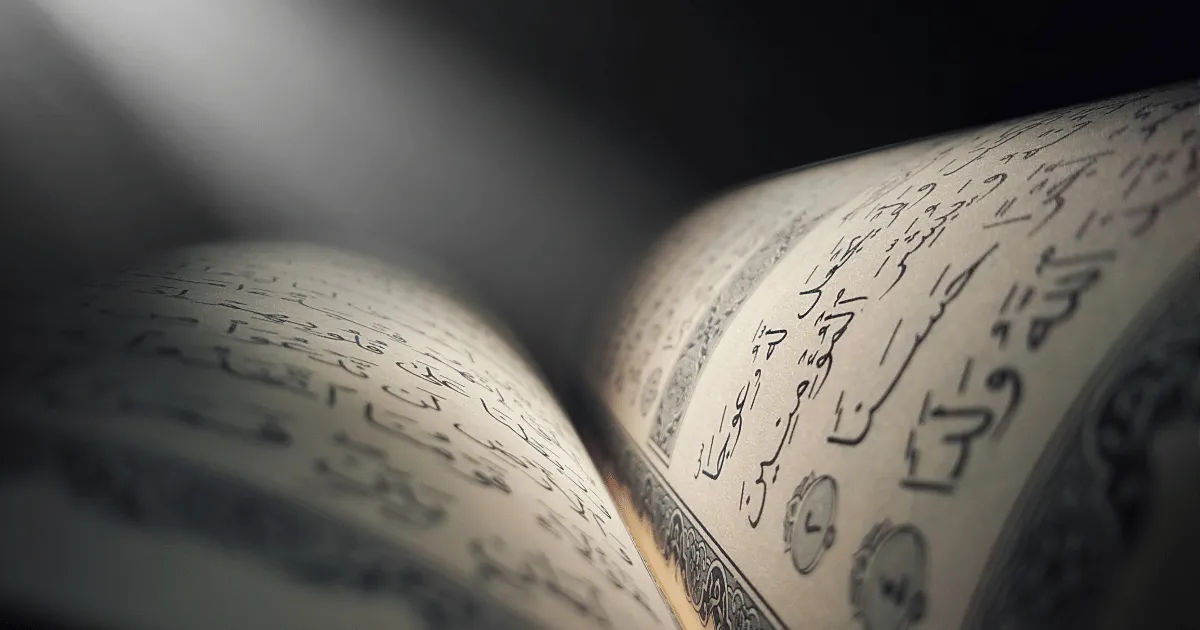
When you Learn Quran with Tajweed, you learn how to pronounce Arabic letters accurately, give them their proper characteristics, and recite Quranic words without unnecessary mistakes.Tajweed helps a learner understand where each letter comes from, how long certain sounds should be held, when a sound should be clear or hidden, and how different letters should be pronounced together. These details can make a major difference in Quran recitation.
For beginners, Tajweed may seem complicated at first. However, when the rules are learned step by step and practiced regularly, pronunciation becomes much more natural. Whether someone is a child, adult beginner, new Muslim, or an experienced Quran reader trying to improve, Tajweed provides a practical method for developing accurate recitation.
What Is Tajweed?
Tajweed is the set of rules used to recite the Quran correctly. The Arabic word generally refers to improving or making something precise and excellent.
In Quran recitation, Tajweed focuses on giving every Arabic letter its correct pronunciation and characteristics. It also teaches the correct way to deal with sounds when letters appear together.
For example, two Arabic letters may look somewhat similar to a beginner but require completely different movements of the tongue, lips, or throat. Without proper instruction, a learner may pronounce them too similarly.
Tajweed helps identify these differences.
Tajweed Is More Than Memorizing Rules
One common misunderstanding is that Tajweed means memorizing a long list of technical rules.
In reality, Tajweed is mainly about applying correct pronunciation while reading.
A student might know the definition of a Tajweed rule but still struggle to apply it while reciting. This is why listening, repeating, and receiving correction are important parts of learning.
When you Learn Quran with Tajweed, the goal is not simply to know terminology. The goal is to make correct pronunciation part of your normal recitation.
How Does Tajweed Improve Quran Pronunciation?
Tajweed improves Quran pronunciation by teaching the learner exactly how Arabic letters and sounds should be produced.
Arabic has several sounds that may not exist in a learner's native language. Simply reading Arabic according to familiar pronunciation habits can therefore create mistakes.
Tajweed addresses these problems through several important areas.
1. Tajweed Teaches the Correct Articulation Points
One of the most important parts of Tajweed is learning the articulation points, known as Makharij al-Huruf.
Every Arabic letter has a specific place from which its sound originates. Some letters come from the throat, while others involve the tongue, lips, or different areas of the mouth.
For example, several Arabic letters are produced from different parts of the throat. A learner who does not understand these distinctions may pronounce them incorrectly.
By studying articulation points, students become more aware of where a sound should begin.
Why Articulation Matters
Consider the difference between similar-looking or similar-sounding Arabic letters.
If a learner changes the articulation point, the resulting sound may change. In some cases, this can even change the meaning of a word.
This is one reason teachers often ask students to slow down during difficult passages.
When you Learn Quran with Tajweed, you become more conscious of the physical process behind each sound instead of simply reading words from left to right.
2. Tajweed Helps Distinguish Similar Arabic Letters
Arabic contains letters that can be difficult for beginners to distinguish.
For example, letters such as س, ص, and ث have different characteristics and pronunciations. A learner who has not studied Arabic pronunciation may initially hear them as very similar.
Tajweed teaches the learner what makes each sound different.
The student learns where the tongue is positioned, how the airflow moves, and whether a letter has particular qualities such as heaviness or lightness.
This detailed awareness gradually makes pronunciation clearer.
3. Tajweed Teaches Heavy and Light Pronunciation
Another important area of Tajweed is understanding when certain letters are pronounced heavily or lightly.
Some Arabic letters have a naturally heavy quality. Other letters are normally pronounced lightly.
This distinction can be difficult for people whose first language does not have similar sounds.
For instance, the Arabic letter ص should not be pronounced exactly like a light س. The difference is not simply about speaking louder. It involves the quality and position of the sound.
A Tajweed teacher can demonstrate this difference and help the student practice it repeatedly.
Why Heavy and Light Sounds Matter
If heavy letters are consistently pronounced as light letters, the recitation may sound noticeably different from proper Arabic pronunciation.
Tajweed provides a framework for recognizing these differences.
As students continue to Learn Quran with Tajweed, they usually become better at hearing whether a letter sounds heavy or light before they even consciously think about the rule.
4. Tajweed Improves the Pronunciation of Throat Letters
The throat contains several important Arabic articulation points.
Letters such as ء, ه, ع, ح, غ, and خ require attention because they are produced from different parts of the throat.
These sounds can be particularly challenging for beginners.
A person may try to replace an unfamiliar Arabic sound with the closest sound available in their native language. While this may feel easier, it does not always produce accurate Quranic pronunciation.
Tajweed training gives learners a clear way to identify and practice these sounds.
With repeated listening and correction, difficult throat letters can become easier to pronounce naturally.
5. Tajweed Controls Proper Lengthening
Pronunciation is not only about individual letters. The length of sounds also matters.
Tajweed teaches rules of Madd, which deal with elongating certain sounds for specific amounts of time.
A beginner may read a long vowel too quickly or hold a sound longer than required.
Both habits can affect the rhythm and accuracy of recitation.
When you Learn Quran with Tajweed, you begin to recognize where elongation is required and how long the sound should continue.
Why Madd Matters in Recitation
Imagine listening to someone recite a passage where every long sound is shortened or every vowel is stretched unnecessarily.
The recitation would sound different from proper Quranic reading.
Learning Madd helps create a more controlled and accurate recitation.
6. Tajweed Teaches Rules of Noon and Meem
Tajweed includes specific rules for letters and sounds involving Noon Sakinah, Tanween, and Meem Sakinah.
These rules explain what happens to the sound depending on the letter that follows.
A sound may be pronounced clearly, merged with another sound, hidden partially, or changed in a particular way.
For beginners, these rules can seem technical.
However, they become much easier when demonstrated through Quranic examples.
Instead of guessing how a sound should be pronounced, the student learns a predictable system.
7. Tajweed Improves Nasal Sounds
Some Tajweed rules involve Ghunnah, a nasal sound produced through the nasal passage.
This is particularly important in certain forms of Noon and Meem.
A student may know that Ghunnah exists but still struggle to produce it correctly.
A teacher can help by demonstrating the sound and asking the learner to repeat it.
With regular practice, the learner develops better control over the nasal sound.
This is another reason Learn Quran with Tajweed lessons are often more effective when they include both explanation and live pronunciation practice.
8. Tajweed Teaches Correct Stopping and Starting
Pronunciation is also affected by where a person stops while reading.
Tajweed includes rules related to Waqf and Ibtida, which deal with stopping and beginning recitation appropriately.
A reader should not simply stop wherever they become tired or run out of breath.
Some stopping points can affect the meaning or make a sentence sound incomplete.
Learning appropriate stopping points helps the reciter maintain both accuracy and meaning.
Breathing and Quran Recitation
Breathing naturally becomes part of proper Quran recitation.
A student who tries to continue too long without breathing may become tense and lose pronunciation accuracy.
Tajweed encourages controlled recitation.
The learner gradually becomes better at planning where to stop, breathe, and continue.
9. Tajweed Reduces Common Pronunciation Mistakes
Every learner makes mistakes.
The important thing is learning to recognize and correct them.
Common pronunciation problems may include confusing similar letters, shortening long sounds, exaggerating certain sounds, weakening heavy letters, or failing to pronounce a letter from its proper articulation point.
Tajweed provides specific methods for addressing these mistakes.
Instead of telling a student simply to “read better,” a teacher can identify the exact problem.
For example:
-
The tongue position may be incorrect.
-
A heavy letter may be pronounced too lightly.
-
A long vowel may be shortened.
-
A nasal sound may be missing.
-
A stopping point may be inappropriate.
Once the specific issue is identified, the learner can practice it directly.
10. Tajweed Improves Listening Skills
An often-overlooked benefit of Tajweed is improved listening.
When students understand pronunciation rules, they begin listening to Quran recitation differently.
They notice the articulation of letters, length of sounds, nasalization, merging, and other details.
This makes listening an active learning exercise rather than simply hearing a recitation.
Students can listen to a skilled reciter, repeat a short passage, compare their pronunciation, and then try again.
This approach can be especially helpful for people who Learn Quran with Tajweed from home.
Tajweed Helps Beginners Build Confidence
Many beginners feel nervous about reading the Quran aloud.
They may worry about making mistakes or pronouncing Arabic letters incorrectly.
This is completely normal.
Tajweed provides a structured learning process.
Instead of trying to improve everything at once, students can work on one skill at a time.
For example, a teacher may first focus on letter pronunciation. After that, the student may practice heavy and light letters, then Madd, then Noon and Meem rules.
This gradual approach makes learning less overwhelming.
Can Adults Improve Their Pronunciation Through Tajweed?
Yes.
Age does not prevent someone from improving Quran pronunciation.
Adults sometimes believe that because they have been reading the Quran for many years, it is too late to correct old pronunciation habits.
In practice, adults can improve significantly when they receive patient instruction and practice consistently.
The challenge is often not understanding the rule. It is changing an established habit.
A person may have pronounced a particular letter the same way for years. Correcting it requires conscious attention at first.
With repetition, however, the improved pronunciation can become more natural.
This is why adults who Learn Quran with Tajweed should focus on steady progress instead of expecting immediate perfection.
Can Children Learn Pronunciation Through Tajweed?
Children can benefit greatly from Tajweed when the lessons are suitable for their age.
Young learners often develop pronunciation habits quickly when they hear correct examples and receive regular correction.
However, children generally learn better through short lessons, repetition, encouragement, and simple explanations.
A teacher should not overload a child with technical terminology.
Instead, the teacher can demonstrate a sound, ask the child to repeat it, and use Quranic examples to reinforce the lesson.
Over time, the child develops a strong foundation.
The Role of a Quran Teacher in Tajweed
Books and videos can explain Tajweed rules, but pronunciation often requires direct correction.
A learner may believe that a sound is correct simply because it sounds right to them.
Another listener may immediately hear the problem.
This is where an experienced Quran teacher can make a major difference.
A teacher can listen carefully and identify mistakes that a learner may not notice independently.
The teacher can then demonstrate the correct sound and give the student an opportunity to repeat it.
This feedback loop is one of the most valuable parts of Tajweed learning.
How to Practice Tajweed for Better Pronunciation
Learning the rules is only the beginning.
Pronunciation improves through consistent practice.
Practice One Rule at a Time
Avoid trying to master every Tajweed rule simultaneously.
Choose one area and practice it until it becomes familiar.
For example, spend several days focusing specifically on difficult Arabic letters.
After that, work on heavy and light pronunciation.
Then move to elongation and other rules.
Read Slowly
Speed is not the goal when learning pronunciation.
Slow recitation gives you time to think about articulation, vowel length, and other rules.
Once accuracy improves, your reading speed can naturally increase.
Listen and Repeat
Choose a reliable Quran reciter and listen carefully.
Play a short verse or phrase, pause, and repeat it.
Try to imitate the pronunciation, timing, and sound qualities.
This technique can help connect what you hear with how you pronounce the letters yourself.
Record Your Recitation
Recording yourself can reveal mistakes that you do not notice while reading.
Listen to the recording after completing a short practice session.
If possible, compare it with your teacher's feedback.
You may notice that certain letters consistently need additional practice.
Practice Consistently
Ten or fifteen minutes of focused practice every day can be more useful than a long session once a week.
Consistency gives your mouth, tongue, and hearing more opportunities to develop the correct habits.
The important thing is to make practice part of your routine.
Why Tajweed Matters Even If You Already Read Quran
Some people think Tajweed is only for beginners.
That is not true.
Someone who has been reading Quran for years may still have pronunciation habits that need correction.
In fact, experienced readers sometimes benefit greatly from Tajweed because they can identify and correct mistakes they have carried for a long time.
The purpose is not to criticize previous learning.
It is to improve the quality and accuracy of recitation.
Anyone who wants to Learn Quran with Tajweed can begin from their current level and work forward.
Does Tajweed Change the Meaning of Quranic Words?
Incorrect pronunciation does not always change the meaning, but in some cases changing a letter, vowel, or pronunciation can alter a word.
This is one reason accurate pronunciation is important.
The Quran is recited in Arabic, and individual letters and vowel sounds carry significance.
Tajweed helps protect these details.
It gives the reader a systematic approach to maintaining the pronunciation of the Quran as it has been transmitted through recitation.
Is Tajweed Difficult to Learn?
Tajweed has technical rules, so some parts may initially feel challenging.
However, difficulty does not mean that it is impossible.
Most learners find that Tajweed becomes easier when the lessons are broken into small parts.
The biggest mistake is trying to memorize every rule before actually practicing.
Tajweed is a practical skill.
You need to hear it, say it, repeat it, receive correction, and use it while reading.
Over time, many rules become automatic.
A Simple Path to Learning Tajweed
A beginner can follow a straightforward learning path:
-
Learn the Arabic letters correctly.
-
Study the articulation points.
-
Practice difficult and similar letters.
-
Learn letter characteristics.
-
Understand heavy and light pronunciation.
-
Study basic Noon and Meem rules.
-
Learn Ghunnah.
-
Study Madd and sound lengthening.
-
Practice stopping and starting.
-
Read short Quranic passages with correction.
-
Gradually move toward longer passages.
-
Continue regular revision.
This approach prevents the learning process from becoming unnecessarily complicated.
Conclusion
Tajweed improves Quran pronunciation by giving the learner a clear system for producing Arabic letters and sounds correctly. It teaches where letters come from, how their characteristics affect pronunciation, how long certain sounds should be held, how sounds interact with one another, and where a reader should appropriately stop and begin.
The most important point is that Tajweed is not simply a collection of rules to memorize. It is a practical skill that must be heard, practiced, corrected, and repeated.
When you Learn Quran with Tajweed, you become more aware of the details that make Quranic recitation accurate. You begin to recognize the difference between similar letters, understand heavy and light sounds, control elongation, improve nasal sounds, and avoid common pronunciation mistakes.
For beginners, the process may feel unfamiliar at first. That is normal. Arabic contains sounds that may not exist in your first language, and developing new pronunciation habits takes time.
Adults should not assume that years of previous reading prevent improvement. Children should not be expected to master everything immediately. Every learner has a different starting point.
The best approach is steady and patient.
Learn one rule. Practice it. Listen carefully. Get correction. Repeat it. Then move to the next skill.
A qualified teacher can make this process much easier by identifying pronunciation problems that learners may not notice themselves. Regular listening and repetition can then turn correct pronunciation into a natural habit.
Ultimately, Tajweed helps protect the clarity and accuracy of Quran recitation. It allows the learner to approach the Quran with greater confidence and awareness while developing a more precise connection with every word being recited.
If your goal is to improve your Quran reading, there is no need to wait until you feel completely prepared. Start from your current level and improve gradually. Whether you are a beginner, an adult returning to Quran learning, or someone who has been reading for years, Learn Quran with Tajweed can help you develop stronger pronunciation and more accurate recitation.
The journey does not have to be rushed. What matters most is learning correctly, practicing consistently, and continuing to improve.