
Planning is one of the most important stages of any construction project. Before materials are ordered, workers arrive, or construction begins, someone needs to determine what will be built, how it will be built, how long it should take, and what resources are required.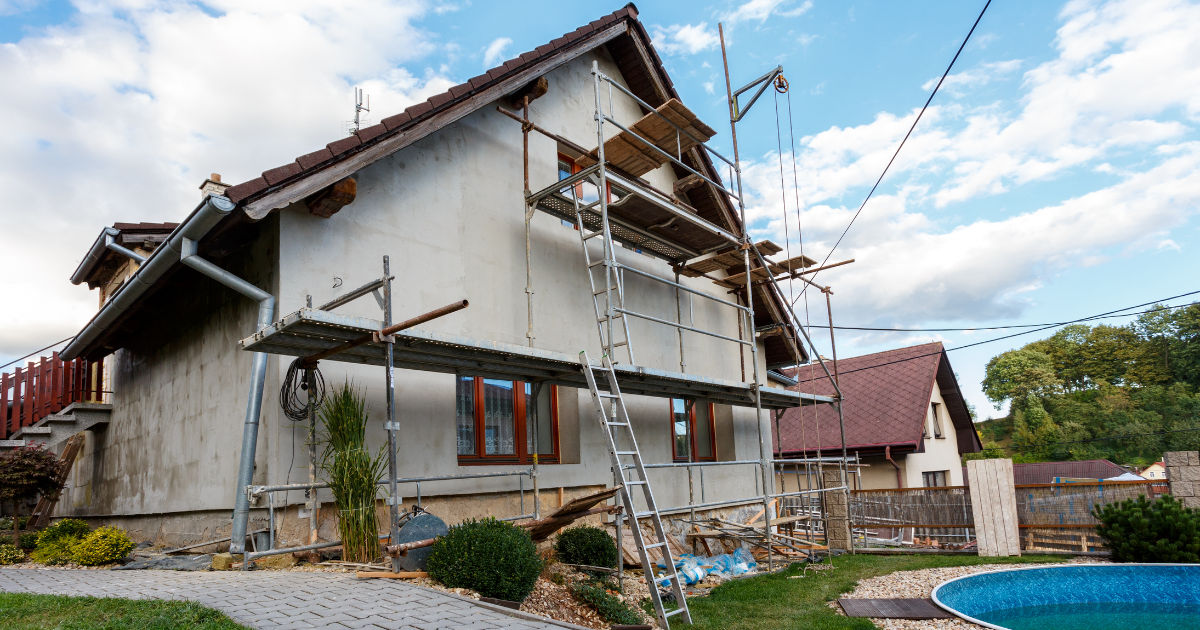
A General contractor Omaha ne can often play a central role in this process by coordinating the planning, scheduling, budgeting, subcontractor selection, and preparation needed to move a project from an idea to a workable construction plan.
A general contractor does more than manage workers on a construction site. In many projects, the contractor becomes involved well before physical construction starts. Good planning helps identify potential problems early, control costs, organize trades, and keep the project moving according to an agreed schedule.
For homeowners and commercial property owners, understanding what planning services a contractor provides can make it easier to choose the right professional. It also helps clarify which responsibilities belong to the contractor, architect, engineer, designer, or property owner.
What Does Construction Planning Involve?
Construction planning is the process of organizing everything required to complete a building or renovation project successfully. It can begin during the early concept stage and continue until construction is ready to start.
A contractor may review the project's scope, discuss the owner's goals, examine the property, estimate labor and materials, develop a schedule, and coordinate subcontractors.
The exact level of planning depends on the project's size and complexity. A small bathroom renovation may require relatively simple scheduling and material coordination. A large commercial building can require months of planning involving architects, engineers, inspectors, suppliers, subcontractors, and local authorities.
Reviewing the Project Scope
The first step is understanding what the client actually wants to accomplish.
For example, a homeowner might want to add a bedroom, remodel a kitchen, finish a basement, or build an entirely new home. A commercial owner might need an office renovation, retail build-out, warehouse improvement, or expansion.
The contractor reviews the proposed work and identifies the major tasks involved.
This creates a foundation for estimating costs, determining labor requirements, and developing a realistic timeline.
Creating a Construction Schedule
Scheduling is another major part of planning.
Construction projects involve multiple activities that must happen in the correct order. Electrical work may need to occur after certain framing is completed. Plumbing may need to be installed before walls are closed. Flooring may have to wait until other work is finished.
A General contractor Omaha ne can coordinate these activities so different trades do not interfere with each other.
A well-developed schedule also gives the property owner a better idea of when major stages should begin and end.
How Does a General Contractor Help With Project Planning?
A contractor can bring practical construction experience to the planning process. While architects and designers may focus heavily on design, a contractor often looks at how that design will actually be constructed.
This distinction matters.
A beautiful design can still create practical problems if materials are difficult to source, construction methods are inefficient, or the proposed schedule is unrealistic.
Estimating Labor and Materials
Cost planning is one of the most important responsibilities associated with construction preparation.
The contractor may estimate the amount of lumber, concrete, drywall, flooring, fixtures, insulation, hardware, and other materials required.
Labor requirements are also considered.
These estimates help create a preliminary project budget. The final price can change because of design revisions, material changes, unexpected site conditions, or market fluctuations, but early estimating gives the owner a useful starting point.
Coordinating Subcontractors
Many construction projects involve specialized subcontractors.
These may include electricians, plumbers, HVAC technicians, roofers, painters, drywall installers, flooring contractors, and other specialists.
A General contractor Omaha ne can help determine which trades are needed and when each one should be scheduled.
This coordination prevents the owner from having to manage every individual trade separately.
Identifying Potential Problems
Experienced contractors know that construction rarely goes exactly according to the original plan.
During planning, a contractor may identify potential issues involving access, drainage, existing structures, utility connections, material availability, or site conditions.
Finding these problems early is valuable because solutions are usually easier and less expensive before construction begins.
Does the Contractor Handle Permits and Approvals?
Permit responsibilities vary by project and local requirements, but contractors often assist with the permitting process.
Depending on the type of construction, permits may be needed for structural changes, electrical work, plumbing, mechanical systems, additions, or new construction.
A contractor may help determine which permits are required and coordinate with the appropriate authorities.
However, property owners should not automatically assume that every permitting responsibility belongs to the contractor. The contract should clearly state who is responsible for applications, fees, inspections, and approvals.
Why Permitting Should Be Included in Planning
Permitting can affect the project schedule.
If construction begins before necessary approvals are obtained, the project may experience delays or complications. Proper planning accounts for these requirements before work starts.
A General contractor Omaha ne with local experience can be particularly helpful because they may be familiar with common requirements and procedures in the Omaha area.
Can a Contractor Help With Budget Planning?
Yes, budgeting is often closely connected to construction planning.
A contractor can provide estimates based on labor, materials, equipment, subcontractors, site conditions, and project complexity.
However, a responsible contractor should avoid presenting an early estimate as an absolute guarantee.
Construction costs can change.
Material prices may increase. Hidden damage may be discovered after demolition. The owner may decide to upgrade fixtures or change the design. Unforeseen structural issues may also require additional work.
Building a Realistic Budget
A good construction budget should account for both expected costs and possible changes.
The contractor can help separate major expenses into categories such as labor, materials, subcontractors, equipment, permits, site preparation, and cleanup.
For larger projects, it can also be sensible to maintain a contingency allowance for unexpected expenses.
This does not mean the contractor expects problems. It simply recognizes that construction involves variables that cannot always be predicted during the initial planning stage.
How Important Is Site Evaluation?
Site evaluation is another important part of planning.
Before construction begins, the contractor may examine the property to understand existing conditions.
For a renovation, this could involve looking at existing walls, floors, plumbing, electrical systems, structural components, and access points.
For new construction, the evaluation may involve site access, grading, drainage, utilities, and other conditions that can affect construction.
A General contractor Omaha ne can use this information to identify practical requirements that may not be obvious from drawings alone.
Does Planning Include Material Selection?
Material planning is commonly part of construction preparation.
The contractor may work with the owner, architect, or designer to determine what materials are required and when they need to be available.
Timing is important because a project can be delayed if essential materials arrive late.
For example, custom windows, cabinets, specialty fixtures, or certain flooring products may require longer lead times than standard construction materials.
Balancing Quality and Cost
Material selection is not simply about choosing the cheapest option.
A contractor can help explain how different materials may affect installation difficulty, durability, maintenance, appearance, and cost.
The final decision may depend on the owner's priorities and the project's requirements.
Can a General Contractor Help With Design Planning?
A contractor may provide practical input during design development, but this does not necessarily mean the contractor replaces an architect or professional designer.
Architects and engineers handle many technical and design responsibilities that require specific qualifications.
A contractor's contribution is often focused on constructability.
For example, the contractor might identify a construction method that could reduce labor or suggest an alternative material that is easier to install.
This collaboration can improve the practicality of the final project.
Why Early Contractor Involvement Can Be Valuable
Bringing a contractor into the project early can provide several advantages.
One major benefit is improved communication.
When the contractor understands the owner's goals before construction begins, it becomes easier to develop realistic estimates and schedules.
Early involvement can also reveal problems before they become expensive changes.
For example, a design may look straightforward on paper but require significant structural modifications once the existing building is examined. Discovering that issue during planning gives everyone an opportunity to adjust the approach.
What Happens After the Planning Stage?
Once planning is sufficiently developed, the project can move toward construction.
The contractor may finalize the schedule, confirm subcontractors, order materials, coordinate permits and inspections, and prepare the site.
The planning process does not completely stop when construction begins.
In reality, construction management involves continuous planning.
Weather, delivery delays, inspection requirements, unexpected site conditions, and design changes can all require adjustments.
A General contractor Omaha ne may need to revise the schedule or coordinate alternative solutions while keeping the overall project objectives in mind.
What Should You Ask a Contractor About Planning?
Before hiring a contractor, property owners should ask specific questions about the planning services included in the agreement.
Ask whether the contractor provides written estimates and schedules.
Ask how subcontractors will be selected and coordinated.
Ask who will handle permits and inspections.
Ask how changes to the project will be documented and priced.
Ask how the contractor communicates schedule updates and unexpected problems.
These questions can reveal how organized and transparent the contractor is.
Ask for a Detailed Scope of Work
A detailed scope of work is particularly useful.
It should explain what work is included and, when appropriate, what is excluded.
The more clearly the scope is defined, the easier it becomes to compare proposals and understand potential additional costs.
Discuss Communication Before Work Starts
Communication problems can create unnecessary stress.
Ask how often updates will be provided and who the main point of contact will be.
Some contractors communicate primarily through phone calls, while others use email, project management software, meetings, or a combination of methods.
The important thing is establishing expectations before construction begins.
Does Every General Contractor Provide the Same Planning Services?
No.
Contractors differ in experience, specialization, company size, and service structure.
Some contractors focus primarily on construction management after architectural plans are complete. Others become involved during the early design and budgeting stages.
Some companies may provide extensive pre-construction services, while others offer more limited planning assistance.
That is why property owners should ask exactly what is included rather than assuming every contractor provides identical services.
A General contractor Omaha ne should be evaluated based on the project's specific requirements and the contractor's ability to handle those requirements.
How Planning Can Reduce Construction Delays
Delays are among the most frustrating parts of construction.
Some delays are unavoidable, but many can be reduced through preparation.
Ordering materials early, scheduling subcontractors carefully, obtaining approvals in advance, reviewing plans thoroughly, and identifying site problems can all reduce unnecessary interruptions.
Planning also creates a sequence for the work.
When everyone understands what should happen next, trades can work more efficiently and the project is less likely to become disorganized.
How Planning Can Help Control Costs
Planning cannot guarantee that a project will stay exactly within the original budget, but it can improve cost control.
Detailed estimates make expenses easier to understand.
A clear scope reduces misunderstandings about what is included.
Material planning can reduce last-minute purchasing decisions.
Subcontractor coordination can prevent unnecessary labor conflicts.
Change management can also help owners understand the financial impact of modifying the project after construction begins.
In this way, a General contractor Omaha ne can help turn a broad construction idea into a more controlled financial plan.
What Makes Construction Planning Effective?
Effective planning is more than creating a schedule.
It requires communication, realistic estimating, coordination, flexibility, and attention to detail.
The contractor should understand the owner's objectives while also recognizing practical construction limitations.
Good planning should answer basic questions before work begins.
What needs to be built?
Who will perform each task?
What materials are needed?
When will each stage happen?
What approvals are required?
How much is the work expected to cost?
What could potentially cause delays?
The clearer these questions are, the stronger the foundation for construction becomes.
Common Planning Mistakes to Avoid
Property owners can make several mistakes during the planning stage.
One common mistake is focusing only on the lowest initial estimate.
A low bid is not automatically the best value if important work has been excluded.
Another mistake is making major design decisions after construction has already started.
Changes during construction can create additional labor, material costs, and scheduling problems.
Failing to clarify responsibilities is another issue.
The contract should explain who handles permits, materials, cleanup, subcontractors, inspections, and other project responsibilities.
Finally, owners should avoid rushing the planning stage simply because they want construction to begin quickly.
A few additional days or weeks of preparation can sometimes prevent much larger problems later.
How to Choose a Contractor for Planning and Construction
When selecting a contractor, look beyond basic pricing.
Review relevant experience and ask about similar projects.
Request references where appropriate.
Discuss the proposed scope of work and ask how the contractor approaches pre-construction planning.
Pay attention to communication during the initial consultation.
If a contractor is difficult to reach or vague about basic project details before being hired, that may be a warning sign.
A reliable General contractor Omaha ne should be willing to explain the process clearly and identify the information needed before providing a meaningful proposal.
Conclusion
Yes, a general contractor can provide substantial planning services, and planning is often one of the most valuable parts of the contractor's role. From estimating labor and materials to developing schedules, coordinating subcontractors, reviewing site conditions, assisting with permits, and identifying potential problems, planning helps establish a practical foundation for construction.
A General contractor Omaha ne can also connect different parts of the project that might otherwise become difficult for a property owner to manage. Architects, engineers, subcontractors, suppliers, inspectors, and owners all have different responsibilities. Someone needs to coordinate those moving pieces, particularly on larger or more complicated projects.
Good planning does not eliminate every construction problem. Unexpected conditions can still appear, weather can cause delays, materials can become unavailable, and owners can change their minds. What effective planning does is make the project better prepared to handle those situations.
The most important step for a property owner is to clarify the contractor's responsibilities before signing an agreement. Ask what planning services are included, how estimates are prepared, how scheduling is handled, who manages permits, how changes are documented, and how communication will work throughout construction.
Ultimately, hiring a contractor who understands both planning and construction can make the entire process more organized. Instead of treating planning as paperwork that happens before construction, it should be viewed as an active part of successful project management.
When the scope, budget, schedule, materials, labor, approvals, and communication process are properly organized, everyone has a clearer understanding of what needs to happen. That clarity can reduce confusion, improve efficiency, and give the property owner greater confidence throughout the project.
For anyone considering a renovation, addition, commercial improvement, or new construction project, asking about planning should be one of the first conversations with a General contractor Omaha ne. The contractor's planning approach can reveal a great deal about how professionally the entire project is likely to be managed.